• Skip to primary navigation
  • Skip to main content
  • Motherhood
    • Mom Life Hacks
    • Pregnancy Life
  • Routines
    • Baby Routines
    • Toddler Routines
  • Family Travel
    • Disney Planning
    • Free Family Vacation Planning
  • Contact
    • About

Mastering Mom Life

Routines for littles made easy!

Toddler Tips

How to Deal with the 2 Year Old Sleep Regression

Toddler Routines

Dealing with the 2 year old sleep regression

Inside: Say goodbye to sleep struggles: Expert strategies for dealing with 2 Year Old Sleep Regression and bring back blissful nights for your family.

Has your sleep-loving little one suddenly started boycotting all things sleep? You might be in the thick of the 2 year old sleep regression.

This regression, often caused by a developmental leap, can show many signs of sleep disruptions such as trouble falling asleep, short naps, and multiple night wakings.

The key to dealing with (and surviving) the 2 year old sleep regression is to understand the signs and address the possible causes.

By understanding why this is happening and addressing what sleep disruptions are occurring, you can effectively work your way back to better sleep– building on the sleep foundation you have been using.

By doing this, you are creating a sleep solution that is completely tailored to YOUR child, not a generic “sleep regression solution” that may or may not work.

In the article, we’ll discuss:

  • Sleep regression causes (emotional, physical, and environmental)
  • Signs and symptoms of the sleep regression
  • Tools for dealing with the regression
  • Coping strategies for dealing with 2 year old sleep regression
  • Step by Step answers to common sleep regression questions

I knew my little one was going through a sleep regression when her once wonderful sleep- through- the -night- for 10 hours turned into multiple night wakings, boycotted naps, and fussy days. This wasn’t normal for her, so I knew something was happening.

I went through months of bad sleeps because I just didn’t know where to begin, how to help her or what to do. But then I finally found a groove and began to actually meet her needs. And I’ll share with you everything I did so you don’t have to go through all of the crazy trial and error of dealing with 2 year old sleep regression.

Understanding 2 Year Old Sleep Regression

Witnessing your baby grow into a toddler is a beautiful miracle of life. As new skills present themselves, your toddler’s brain and body are readjusting to the world around them as they grow.

This specific period of increased growth (during the age of 2) can trigger sleep disruptions. These sleep disruptions can often be signs of a sleep regression. But because your child is experiencing a massive leap in developmental growth, this period of sleep disruptions can also be referred to as a sleep progression.

According to Medical News Today, “The term ‘sleep regression’ refers to a period of time when a baby or toddler experiences a shift in their sleeping pattern.”

No time to read this now? Save this post to your favorite Pinterest board for later!
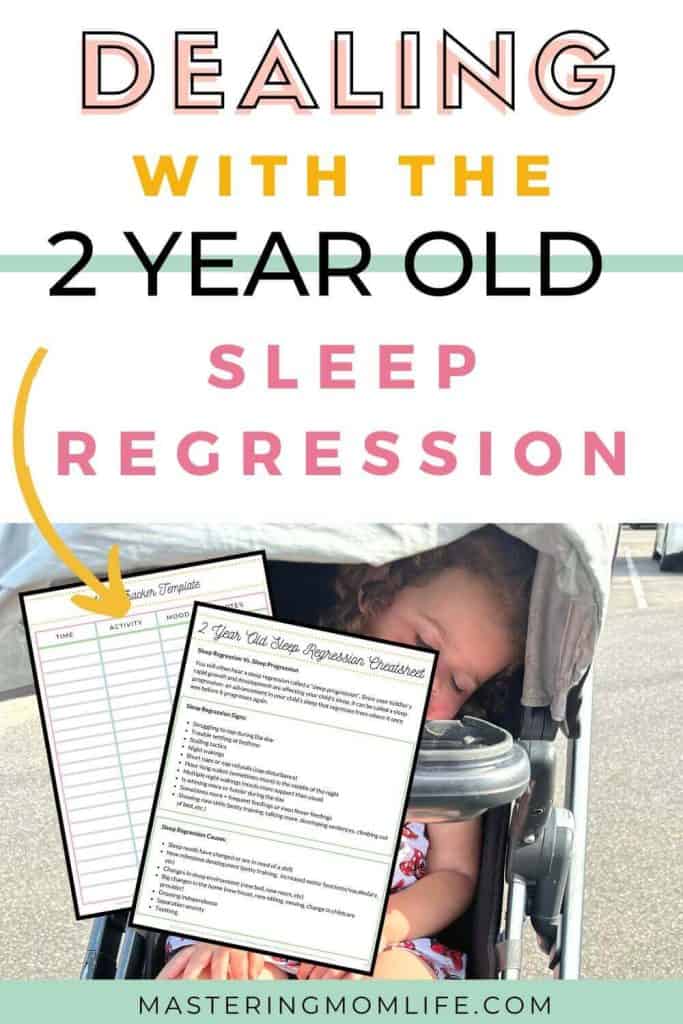
Dealing with the 2 year old sleep regression- resources to download- image of toddler sleeping in stroller

Common Causes of 2 Year Old Sleep Regression

Common causes and triggers of sleep regression at this age can be classified into emotional triggers, physical triggers, and transitions:

Emotional triggers to can cause sleep disruptions

  • Separation anxiety
  • FOMO (fear of missing out on something as they are sleeping)
  • Development of fears
  • Increased independence
  • Mental milestone development

Physical triggers that can cause sleep disruptions

  • Teething
  • Sleep needs changing (needing a shifted bedtime or naptime routine)
  • Physical milestone development

Sleep disruptions due to transitions

  • Out of crib too early
  • Potty training
  • New sibling
  • New house
  • New home childcare provider/school/daycare

Signs and Symptoms

Remember, a sleep regression is an abrupt and noticeable decline in sleep patterns. This sudden and significant sleep decline usually is due to developmental growth.

But how will you be able to distinguish that your child is actually going through a regression? By identifying changes in behavioral and sleep-related activities.

But before we can look at signs of sleep regression, we first need to understand the importance of understanding your child’s daily patterns.

By knowing your child’s overall sleep patterns and how they act and react, you will easily be able to pinpoint when your child makes a sudden change in those behaviors.

  • What do your child’s sleep cues look like?
  • When do they normally get tired?
  • About how long does it take for them to go to sleep? What is their favorite nap routine?
  • What does their bedtime routine look like?
  • Do they normally have night wakings?
  • How long is the stretch of time they will sleep?

Knowing these specific patterns and routines that your child normally does will better help you not only understand the signs, and causes of the regression but also implement easy solutions to get your child back to better sleep.


Related Reading: How to Spot the Signs of the 2 year old sleep regression


Dealing with the 2 Year Old Sleep Regression- Signs

  • Short naps or nap refusals (nap disturbance)
  • Hour-long wakes (sometimes more) in the middle of the night
  • Multiple night wakings (needs more support than usual)
  • Is whining more or fussier during the day
  • Sometimes more + frequent feedings or even fewer feedings
  • Showing new skills (potty training, talking more, developing sentences, climbing out of bed, etc.)
  • Overtiredness due to
    • Night wakingsTrouble settlingEarly morning wakes
    • Fighting naps

Need some help tracking your toddler’s sleep patterns and daily routine? Be sure to check out the You Got This Mama planner with over 60 pages of detailed trackers!

You Got This Mama Planning system

Preparing for Dealing with Sleep Regression

Here are the 2 most important tips for dealing with the 2 year old sleep regression:

Creating a Sleep-Friendly Environment

The first step to dealing with 2 year old sleep regression is to ensure your child is in a sleep friendly environment for *most* sleep. This doesn’t mean that every single nap needs to be in a crib/bed- because sometimes you’re little one is going to fall asleep in the car or stroller, etc.

But an important factor when putting your child to sleep is to analyze the sleep environment. Is it comfortable to sleep? Here are easy ways to create a comfortable sleep environment for your child.

1. Setting up the Bedroom

The first thing to do is optimize the room your child is sleeping in. Here are the 4 things to help you create an awesome sleep environment:

  • Room temperature- being aware of the room being too hot or too cold
  • Lighting – adding black-out curtains to block light in the morning hours/day sleep
  • Noise levels for better sleep – utilizing a sound machine
  • Selecting appropriate bedding and comfort objects- is there a lovely your child likes to sleep with or a particular blanket/pillow that brings comfort?
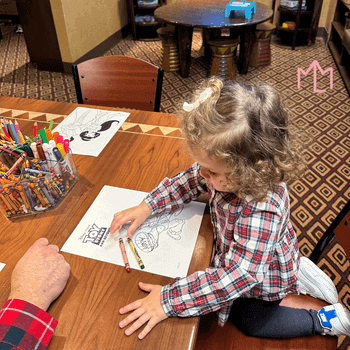
powerful strategies to tackle the 2 year old sleep regression- image of toddler coloring

2. Establishing a Consistent Bedtime Routine

After the sleep environment is created, the next step is to establish a consistent bedtime routine.

A bedtime routine is simply a series of steps that you will do every day that will help your child wind down for bedtime. These steps will then become a *signal* to your child, that it is now time for sleep.

Having a routine will help send a signal to your child that sleep time is next. Babies and children love predictability- so having a consistent routine helps prepare them for naps and bedtime.


Related Reading: Easy Toddler Bedtime Routine


Easy Naptime Routine

Here is a simple nap routine:

  • Prepare room for sleep (removing toys, getting bed ready, etc)
  • If child is potty trained or training, have them use the potty before nap
  • Is child is in diapers, bring her/him to the room they will be sleeping in to change diaper
  • Use special words/phrases/songs to help prepare your child for sleep in a comforting way (singing a sleep song, etc)
  • Close windows/shades and close black out curtains
  • Change child into sleep clothes/pajamas
  • Turn on sound machine
  • Begin your child’s desired soothing techniques- sitting on chair to rock and sing for 2 minutes or reading a book together
  • Place child in bed and turn off lights
  • Sing/talk to child for a few minutes to further calm and soothe them
  • Leave the room

Adjusting Nap Schedules

Once you have a comfortable sleep environment and a consistent bedtime routine, next is to focus on possible sleep shifts that your child may be experiencing.

Recognizing the Need for Adjustments

As your baby gets older, their sleep needs will shift. Including the number of naps per day, the amount of sleep time per day, length of naps, and length of nighttime sleep.

When your child is in the process of a sleep shift, they will show signs that their current sleep habits are no longer working.

Signs that indicate the need for changing your nap schedule could be:

  • Taking long to settle for sleep
  • Not showing tired cues at the time they normally do
  • Fighting naps
  • Skipping naps

The key to making sleep adjustments easy is to determine optimal nap lengths, timing, and wake windows for your child.

To know your toddler’s wake window, the amount of time they are awake before their next sleep time, is to know their tired cues. What signs does your child show when they are tired?

Every child is different, so while “sample” wake windows are helpful, no 2 children are the same so it’s important to know YOUR child’s individual tired cues.

When they begin to show tired cues, note the time and the cues so you can begin to track about what time of day they are showing these tired cues. This will help you see your child’s new, adjusted nap needs.

How can adjusting nap schedules help in dealing with sleep regression in 2-year-olds?

When your child is in a sleep regression, they can easily become overtired due to the lack of sleep. It’s very common for sleep regressions to be intensified when the child is not only sleeping at night, but also not sleeping during the day.

To deal with the sleep regression, focusing on naps can help!

Finding your child’s new adjusted nap schedule and meeting their new sleep needs can tremendously help.

Strategies for Nap Schedule Adjustments

These are the 2 important factors when you’re in the process of shifting daytime sleep:

  • Making gradual changes in nap duration and timing
  • Ensuring a balance between adequate daytime sleep and nighttime sleep

Bedtime routine modifications

Here are 3 ways to help promote better nighttime sleep through their bedtime routine:

  • Adjust the bedtime routine to address the regression (remove activities that seem to be triggering bedtime woes)
  • Incorporate relaxation techniques (such as a warm bath, calming activities, connection activities, essential oils, etc.) before bedtime
  • Implement a consistent winding-down period to signal sleep time

Related Reading: The Best Toddler Bedtime Routine


Coping Strategies for Sleep Regression

The easiest way to deal with the 2 year old sleep regression is to pinpoint specific causes and signs that your child is experiencing.

By being aware of the sleep struggles, you can now target those issues individually instead of feeling overwhelmed by the sleep regression as a whole.

Sleep Time Soothing Techniques

Truth is, an adult rarely falls asleep when they are completely uncomfortable and stressed. And if they do need to sleep, they have ways of calming down or helping themselves fall asleep. A child is no different! Only they cannot help themselves fall asleep like an adult can- they don’t have the resources or knowledge yet to do so.

So that’s why having a comforting routine and comfortable environment is so important!

1. Comforting and Reassuring the Child

Here are some effective ways to provide comfort and reassurance to your toddler as they are experiencing sleep regression episodes:

  • Utilize items that you know already bring comfort to your child
  • Add things to your bedtime routine that bring comfort to your toddler- such as 10 minutes of their favorite show or a new book that they love
  • Stay with your child a bit longer in their room to provide extra reassurance (add it to your bedtime routine)
  • Add in comforting techniques before bedtime, such as singing a song while rocking, rubbing their backs while in bed, humming a song while you sit in their room, etc

Don’t stress about creating “bad sleep habits” or “using sleep props” during this time- the main goal is to offer your child comfort in a way that they understand and will receive it

The ultimate goal is to create a secure and nurturing environment for your little one during this time of change for them.

Easy tips to navigate the sleep regression for toddler and 2 year olds- image of toddler in toddler bed

2. Implementing Relaxation Techniques

What are effective techniques for soothing a 2-year-old experiencing sleep regression?

Every child is different but all children have one thing in common- they crave their parent’s loving, soothing, comforting touch. Especially when they are going through a change that seems to be unsettling all of their “normal” sleep patterns.

To help them through this (and to help you survive the regression!), the key is to incorporate calming activities before bedtime. This will create a new, extra calming routine that your toddler will begin to anticipate- helping them sleep better.

A main cause of sleep regression can be separation anxiety and a new awareness that you are not in the room anymore. This feeling intensifies at night because your child now knows that are aren’t with them. To combat this anxiety, its important to add several methods of calming and soothing actions to your bedtime routine to help your child feel extra secure.

Here are some soothing techniques you can further explore and add to your bedtime routine:

  • Massage with child-approved essential oils for relaxation
  • Gentle music before bedtime
  • A new sound of white noise
  • Different books that portray bonds between parent and child
  • Diffusing essential oils prior to bedtime
  • An activity before bedtime between you and your toddler (such as cuddling and watching a movie, snuggling up on the bed and reading a book)
  • Adding a soothing light to their room during the bedtime routine

3. Nutrition and Sleep

I know it’s not always talked about, but there is a direct connection between nutrition and sleep. Many foods and overall diets can affect sleep quality.

Ever ate something and then went to bed, only to find that your stomach feels upset? Or maybe you feel indigestion? Or heart burn?

The same can happen to a baby and toddler!

Sleep regressions aren’t “caused” by diet changes, but since diet impacts sleep quality, its important to note that changing some eating patterns can aid better sleep.

When my children go through a sleep hiccup, I always reevaluate what food they are eating during the day.
2 year old sleep regression solutions- image of toddler putting baby doll to sleep

Here is what I do:

  • Limit sugars and added sugars
  • Eliminate any food coloring and food dyes (red 40, yellow 10, blue ____)
  • Increase water (but limit drinking one hour before bed)

Transitioning from Crib to Bed

I often find that one of the sleep regression culprits at this age is moving your toddler from a crib to a bed too early. Transitioning them before developmentally ready can lead to a regression in sleep patterns.

Here’s what you can do before making this change:

  • Assessing Readiness for the Transition- is your toddler showing signs of outgrowing their crib?
  • Be aware of the signs that indicate the child is ready to transition from a crib to a bed
  • Factors to consider when making the transition during sleep regression

Parental responsibilities and consistency

One of the most important effective strategies for dealing with the 2 year old sleep regression is parental consistency. Just as kids thrive on a daily routine, they also thrive on consistency when dealing with disruption. It’s important to be consistent with whatever methods you choose for dealing with this sleep regression.

Of course if you see that something is not working- pivot. But if you are trying a new strategy to meet your child’s sleep needs, stick with us until you see progress.

Here are 3 keys to consistency:

  • Maintain consistent responses to sleep disturbances during the regression
  • Choose strategies for responding to night wakings or bedtime resistance
  • Ensure there is collaboration between parents or caregivers to ensure consistent approaches

FAQs (Frequently Asked Questions)

Is sleep regression in 2-year-olds normal?

Yes! As your child grows, they will take developmental leaps. Sometimes during these leaps, other areas may “regress”. Sleep is usually affected by this regression

How long does sleep regression typically last in 2-year-olds?

This question is a bit of a double-edged sword.

On one hand, if your child hasn’t entered the 2 year sleep regression then you probably want it to be as far away as possible. On the other hand, if you’re in the sleep regression, then you definitely want it to end as soon as possible.

To be honest, there is no “start time and end time” to a sleep regression or sleep progression.

Can sleep regression be prevented?

No, a sleep regression cannot be “prevented”, as it is a part of developmental growth. But with these tips, it can be easier!

Are there any specific foods or supplements that can aid in managing sleep regression?

Sugary foods and food dyes definitely can be sleep disruptors- at any age! If you are interested in foods that can aid better sleep, be sure to talk to your child’s physician or practitioner.

My child’s practitioner recommended a small dose of lightly steeped chamomile tea for my toddler, as well as warm, soothing foods before bedtime. A natural remedy doctor also recommended I rub small diluted doses of lavender (with a carrier oil) on my toddler’s feet before bedtime.

Be sure to talk to your doctor!

What if my child’s sleep regression persists or worsens?

You know your child best. If you are noticing signs that something more could be happening to your child than a developmental sleep regression, talk to your child’s pediatrician. Sometimes trouble sleeping can be a symptom of another medical issue- it’s always best to consult your doctor.

In the event that nothing medical is happening to your child but the sleep regression is persisting for several months, you can consult a sleep specialist who will work with you and your family on a personalized sleep plan.

How can establishing a consistent sleep routine help in dealing with 2-year-old sleep regression?

Your child’s sleep foundation is not lost! Just because they are experiencing a sleep regression due to a growth progression, it doesn’t mean your child’s once-good sleep habits are gone for good.

To cultivate your child’s healthy sleep patterns, creating a consistent bedtime and naptime routine can help your child feel comforted during this time of change.

If your child never had a sleep routine, it’s never too late to start! And if your child had a sleep routine but it doesn’t work anymore, don’t be afraid to pivot and meet your child’s needs as they grow.

What elements should be considered when creating a sleep-friendly environment for a 2-year-old with sleep regression?

A sleep-friendly environment is a safe place that promotes good sleep. Some easy changes you can make to your sleep space to make it as comfortable as possible are black out curtains, sound machine, and cool temperatures.

Recap of Dealing with the 2 year old Sleep Regression

The key to dealing with (and surviving) the 2 year old sleep regression is to understand the signs and address the possible causes.

By understanding why this is happening and addressing what sleep disruptions are occurring, you can effectively work your way back to better sleep- building on the sleep foundation you have been using.

These days (and nights!) can be longgg and tiring. Don’t forget to care for yourself too! Your mental health as parents is very important as you venture through this sleep journey your child is on.

You got this, mama!

Always With Love, Brianna

Related Reading:

10 Simple Solutions to the 2 Year Old Sleep Regression

Signs of the Sleep Regreesion- What not to miss!

Toddler Bath Time Routine to Promote Better Sleep

August 31, 2023 · Leave a Comment

2 Year Old Sleep Regression Signs: 5 Things to Know

Toddler Routines

5 signs of the 2 year old sleep regression

In between long, napless days with my toddler and sleepless nights, my mind was racing to figure out what went wrong. Our sleep routine was completely flipped upside down. And so was I.

In the midst of all of the craziness, I found easy sleep regression solutions that actually work! But before you can work on sleep solutions, it’s important to identify sleep troubles.

Some sleep regression signs include sudden changes in:

  • Struggling to nap during the day
  • Nap refusals or short naps
  • Trouble settling at bedtime
  • Increased stalling tactics
  • Night wakings
  • Hour-long waking or bursts of nighttime energy
  • Noticeably fussier days

To prevent you from having to experience ALL of the trial and error routines that I had to go through, I’ll detail everything about the 2 year old sleep regression including the signs, causes, and solutions.

So you can begin to ascend back into the glory of a good night’s sleep 🙂

Let’s dive into the 2 year old sleep regression signs…

How to know your toddler is in a sleep regression- 5 things you need to know

2 Year Old Sleep Regression Signs

If your little one is over 24 months and is starting to show some of these signs, then it’s time to shift sleep needs and tackle the 2 year sleep regression.

What is a sleep regression?

A sleep regression is an abrupt and noticeable decline in sleep patterns. This sudden and significant sleep decline usually is due to developmental growth.

As your child learns new skills, meets new milestones, and continuously grows, their moving at such a rapid rate that it’s easy for another area of their life to be affected. In this case- sleep.

Because this sleep regression is attributed to natural growth and development, it is often referred to as the 2 year old sleep progression. Your child is progressing so they temporarily regress in sleep.

Related Reading: Easy Sleep Regression Solutions

What are the Signs of a Sleep Regression?

Here are some signs that could point to a sleep regression:

  • Short naps or nap refusals (nap disturbance)
  • Hour-long wakes (sometimes more) in the middle of the night
  • Multiple night wakings (needs more support than usual)
  • Is whining more or fussier during the day
  • Sometimes more + frequent feedings or even fewer feedings
  • Showing new skills (potty training, talking more, developing sentences, climbing out of bed, etc.)
5 Signs your toddler is in a sleep regression- image of toddler in stroller

5 Signs of The 2 Year Old Sleep Regression

If your toddler now seems allergic to naps, it might be a sign that the 2 year sleep regression has descended. This includes your toddler fighting naps, crying when you leave the room or continuously crying during naps, and napping much later than usual (probably from exhaustion).

Remember, a singular “sleep regression sign” does not necessarily mean your child is experiencing a sleep regression. But multiple signs at once can be a good indicator.

1. Nap Resistance- (Short Naps or Nap refusals)

Nap resistance refers to any type of short nap, nap refusals, multiple wakings during a nap, etc.

Nap resistance could be due to your child not being “tired enough” to sleep.

During this age, wake windows stretch and the number of naps decreases. If your child is going through a phase where a nap is being dropped, then this can affect how your child sleep during their normal naptime as well as nighttime sleep.

Nap refusals can also be due to overtiredness. This is when your child has missed their preferred naptime and they are now overtired.

The best way to combat knowing when your child is under-tired or overtired is to watch for their tired cues. Every child is different and there is no “one way” to know the perfect time to put your child to sleep every day.

The trick is to know your child’s sleep cues- the signals they give you when they are getting tired.

Related Reading- Easy Toddler Bedtime Routine for Calm Nights

image of toddler on bed resting
A calming bedtime can help induce restful sleep, especially during sleep regressions

2. Trouble Settling at Bedtime

Another 2 year old sleep regression sign is when your toddler is suddenly having trouble settling at bedtime. This includes:

  • Prolonging bedtime,
  • Crying when it’s time for sleep,
  • Tossing and turning after lights out,
  • Increase in separation anxiety
  • More energetic than usual during the bedtime routine

As your child grows, there will be slight adjustments to your child’s bedtime routine to accommodate their new needs according to their growth and development.

Adjusting your bedtime routine can be a key element to helping your child settle at bedtime during this temporary sleep regression.

Even after the sleep regression passes and your child’s sleep has progressed, keeping the adjusted bedtime routine can help aid your child’s new sleep patterns.

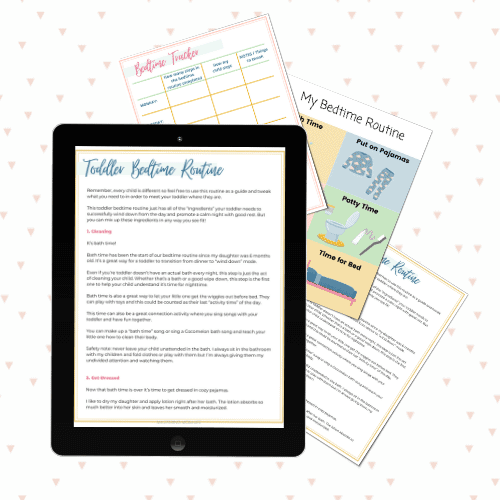
Download the free Toddler Bedtime Routine to help your little one wind down and prep for bedtime by establishing a healthy, consistent routine. I’ve been using this exact bedtime routine for years and it WORKS!

Fill out the form below to receive an instant download

3. Night Wakings

The next classic 2 year old sleep regression sign is when your child has night wakings. This can include any increase in night wakings than what your child normally does.

For example, if your toddler normally sleeps 8-10 hours without a noticeable night waking and starts to wake in the middle of the night, this can be a sleep regression/progression sign.

Another example is if your toddler normally wakes 1-2 times at night within an 8-10 hour stretch and starts to wake 3-4 times, that could be a sleep regression sign.

It is normal for a toddler to wake up at night if they need something. Such as needing to use the bathroom, too hot/cold, or an element of their room has changed (like if you closed their door and they noticed it).

There is no “perfect age” that your child should be “sleeping through the night”. By the age of 2, toddlers do have the capability to sleep an 8-10 hour stretch. If they do not and you are concerned, always feel free to talk to your pediatrician or sleep consultant for help.

Related Reading- 2 Year Old Sleep Regression Causes

4. Fussier than Usual During the Day

Another sign of a sleep regression is if your child is suddenly fussier than normal during the day, or even at night.

When you aren’t sleeping well, you’re bound to get overwhelmed, cranky and grouchy. This is true for little ones too!

Your toddler may be showing increased irritability due to lack of sleep.

image of toddler on couch resting during nap time instead of sleeping
During fussy days, follow your child’s lead. Offer them a comfortable enviroment that promotes rest- even if they are not napping.

5. Separation Anxiety

Also known as- Crying when You Leave or Clingy

If your little one suddenly feels like Velcro to your hip, this could be an increase in separation anxiety.

Separation anxiety can be a sign of a sleep regression / sleep progression. As your little one grows and continues to learn new things, they can cling to the “known”- the things they find comforting.

And as a parent, YOU are the most comforting thing in your child’s life.

Their senses latch on to your scent, touch, voice, and even taste (hello breastfeeding mamas!). When they are uneasy, unrested, and tired, they will want to grab a hold of you even more.

FAQ- Frequently Asked Questions about 2 Year Old Sleep Regression

Here are some answers to the most asked questions during the 2 year old sleep regression.

What Causes the Regression? Why Does it Happen?

The magic of toddler life is easy to see as you watch your child grow every day. The “terrific twos” is such a beautiful time of experiencing your baby grow right before your eyes. But this period of increased growth can also lead to an increase in sleep disruptions.

You can read all about the different sleep interruption culprits and learn more about sleep regression signs here.

When Does the Sleep Regression Begin?

This sleep regression can take place anywhere within your baby’s second year of life. From exactly 24 months or it can begin anywhere past 30 months. No 2 babies are the same!

It’s important to note that not ALL babies experience this sleep regression. Different children experience different regression/progression effects.

Remember, this sleep regression is brought on due to natural growth progressions. So as your baby continues to grow and develop during this 2 year old age, it can affect their nighttime sleep.

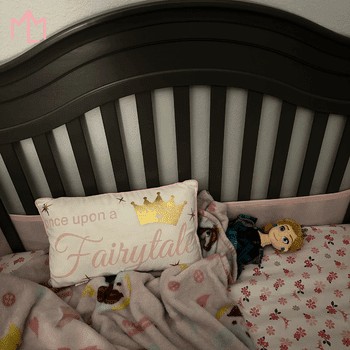
image of crib- comfortable sleep environment for your toddler
Create restful sleep enviroment that promotes sleep! Surround your child with that makes them happy and calms them

When does it end?

There is no specific amount of time that a sleep regression can last. Sometimes is 1-2 weeks, other times it can be 3-4 weeks. Remember, the sleep regression is sparked because of developmental growth. As your child is experiencing this growth, sleep will always fluctuate.

That’s why it is imperitive to have a consitent daily routine that your toddler can find comfort in through all of their changes.

How Long Does the Sleep Regression Last?

This question is a bit of a double-edged sword.

On one hand, if your child hasn’t entered the 2 year sleep regression then you probably want it to be as far away as possible. On the other hand, if you’re in the sleep regression, then you definitely want it to end as soon as possible.

To be honest, there is no “start time and end time” to a sleep regression or sleep progression.

toddler sitting on bench

Does it happen to every child?

Honestly, I do not remember the 2 year old sleep regression at all with my first child. She went through a couple of sleep hiccups here and there when she turned 2, but nothing that adjusting her bedtime routine and moving her bedtime back didn’t fix.

But my second child DID experince a 2 year old sleep regression for over a month.

So, my honest answer would be no, the sleep regression does not affect every child the same. You might notice it in one child but maybe not in the next child.

There is no textbook answer that can tell you “Do ABC and your child will sleep perfectly again”.

That’s why it’s so hard to get through!

Because every child is different and every situation is different. There are also different environmental factors and developmental factors that contribute to sleep progression as well.

2 Year Old Sleep Regression Signs Recap:

Every sleep regression / sleep progression can be a difficult season in parenthood. But the key to maneuvering through those hard seasons is to be educated, informed, and trust your instincts.

Here are some sleep regression signs:

  • Nap resistance
  • Short Naps / Nap Refusals
  • Trouble settling at bedtime
  • Increased Night wakings
  • Fussier than usual
  • Clingy / Separation Anxiety

Sleepless nights can cause a toll on your mental health as parents. Remember to take one day at a time. Every season with your child is just that- a season, that will change in the near future.

You are not alone- you got this mama!

Always With Love, Brianna
Read these related posts!

10 Simple Solutions for the 2 Year Old Sleep Regression
2 Year Old Sleep Regression Causes

Toddler Bedtime Routine For Easy Nights and Long Sleep

Easy 4 Step Toddler Bath Routine

June 22, 2023 · Leave a Comment

Main Causes of the 2 Year Old Sleep Regression

Toddler Routines

2 year old sleep regression causes

Inside: Toddler struggling with nap and bedtime? Find out the main 2 year old sleep regression causes to help your toddler sleep better!

Does your toddler suddenly seem like they’re allergic to sleep? Welcome to the 2 year sleep regression…

But don’t worry! I’ll walk you through step by step not only the 2 year old sleep regression causes but also 10 easy solutions to help you get your sleeper back on track.

If your toddler is in the 2 year old sleep regression, the best way to tackle the regression is to pinpoint some causes that could be attributed to the sleep disruptions.

By knowing why the regression is happening and what are some 2 year sleep regression causes, you will be more confident getting through it!

Sleep regressions are often referred to as sleep progressions. This is because one main cause of sleep disturbance is your child’s developmental growth. As your child grows they are constantly reaching new milestones and learning new skills. In the midst of learning skills, it can sometimes affect their sleep.

Ever been so excited to do something that you just can’t sleep at night? That’s how your toddler’s brain is! Only they can’t effectively communicate their emotions and feelings.

Sleep can be their communication outlet.

Let’s explore the main 2 year old sleep regression causes…

What Are Signs of the 2 year Old Sleep Regression?

Wondering if your toddler is actually experiencing the 2 year old sleep regression? Here are some signs that could point to the sleep regression:

  • Short naps or nap refusals (nap disturbance)
  • Hour-long wakes (sometimes more) in the middle of the night
  • Multiple night wakings (needs more support than usual)
  • Is whining more or fussier during the day
  • Sometimes more + frequent feedings or even fewer feedings
  • Showing new skills (potty training, talking more, developing sentences, climbing out of bed, etc.)

Related Reading: How to Spot the Signs of a Sleep Regression

What Causes the 2 Year Old Regression? Why Does it Happen?

The magic of toddler life is easy to see as you watch your child grow every day. The “terrific twos” is such a beautiful time of experiencing your baby grow right before your eyes. But this period of increased growth can also lead to an increase in sleep disruptions.

As new skills present themselves, your toddler’s brain and body are readjusting to the world around them as they grow.

Let’s dive into the different sleep interruption culprits:

No time to read this now? Save it to your favorite Pinterest Board now!

2 Year Old Sleep Regression Causes

Sleep Needs Have Shifted

As your baby grows, their wake time increases, and the number of naps decreases. Your child has a daily “sleep cup” that needs to be filled. But this sleep cup shifts! That’s why an infant will nap 4-5 times a day for an hour at a time but a 2 year old will nap once for 90-120 minutes.

Sleep needs change as your toddler enters toddlerhood. They will still need sleep, but possibly at different times and for different lengths.

We will discuss how to find out YOUR baby’s current sleep needs and how to monitor those needs as they continue to grow.

Milestone Development

Developmental growth is the basis of sleep regression but it’s important to try to pinpoint the different milestones your child is undergoing. Being aware of these developments can help you feel empowered to meet their new needs.

Some milestone developments could be:

  • Potty training
  • Increased talking and vocabulary
  • Learning new motor functions such as bike riding, tumbling, etc.
Sleep regression causes- milestone development- image of toddler on toddler bike

These milestones can also lead to your toddler becoming too excited about what they are now able to accomplish that the excitement can leak into sleep time.

Ever had a toddler wake up in the middle of the night and just wanted to play? That’s what happens!

Potty Training and Disrupted Sleep- What’s Up?

Potty training or toilet learning is a HUGE milestone development. Learning how to use the toilet contains so many new learning functions. From learning how to hold their bladder, how and when to release muscles, sitting on the toilet for the first time, and experiencing new sensations—this milestone is monumental.

And it may affect your child in several different ways- including sleep.


Related Reading: Toddler Potty Training Tips

8 Best Potty Training Essentials

Changes in Sleep Environment

Has anything in your child’s sleep environment changed recently?

Sleep environment changes can include:

  • A switch from a crib to a toddler bed
  • Moving rooms
  • Your baby moving from your room to their own room
  • Adding a sibling to the room

A change in sleep environment doesn’t necessarily have to be the main cause of a sleep regression but it can definitely add to the discomfort that your toddler is experiencing, added to their rapid growth development.

It takes time for a little one to get used to such a big change! On top all of the other growth they are experiencing, they can easily feel overloaded.

Even as an adult, I can have trouble adapting to different environments. Imagine those big feelings inside of a little body that cannot accurately express their emotions.

Big Changes in the Home

A big change in the home doesn’t have to be the main cause of the sleep regression, but it can add to all of the things your child is already naturally experiencing.

Big changes can include:

  • Moving
  • Starting daycare
  • A sibling starting school and not being with them all day anymore
  • A change in a childcare provider
  • Change in family (new sibling)

Any change to a normal daily routine can cause a ripple effect on your baby’s mood and reactions. Add in a BIG change and this can set a course for your child to feel really unstable. And that instability can leak into sleep and even feedings.

But that’s okay! That’s why we are there to comfort them and get them through these changes.

As a parent, YOU are your child’s safe place. YOU create the stability that they need. You’re not always going to be able to prevent big changes from happening to your baby, that’s why it’s important to focus on connecting with your child through every step of these changes.


Related Reading:

Easy Toddler Bedtime Routine

Growing Independence

Your baby’s growing independence is like a rocket taking off into the atmosphere- once it’s gone off, you can’t really stop it.

Your little one is experiencing the world around them like they never have before. They are seeing things differently, constantly learning new things, and becoming more aware of their personality and will.

And this translates into them wanting to Do. Everything.

Your child before was perfectly content to walk next to you holding your hand—now they want to run 20 feet in front of you and can touch everything in their sight.

Your child now might want to do what they want WHEN they want. And if they don’t want to sleep, they probably won’t just lay there quietly waiting to fall asleep. They get up and cry out to you, probably just wanting to play.

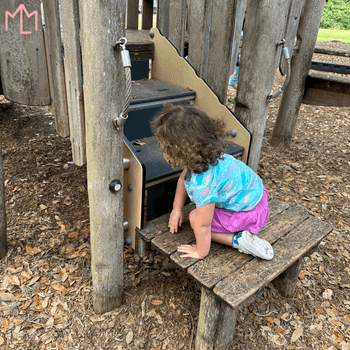
2 year sleep regression causes- growing independence: image of toddler on playground

Separation Anxiety

Oh the miserable, thunder cries when you leave the room. It’s absolute torture to listen to!

Now that your toddler is experiencing these massive developmental changes and an increased sense of independence, YOU are their safe place. YOU are what’s always constant. And they might want to be around you all the time. Yes, even at 1:35 in the morning.

Added to their rapidly growing mind, they are becoming more aware of your presence like never before. Knowing where you are and where you aren’t.

This can also especially increase at night if there was a recent change in the amount of time you spend with your baby. Such as a parent returning to work.

Possible Teething

From a poor miserable baby to swollen gums, sleepless nights, and millions of drooling clothes- the teething days are far from fun.

It is totally possible that on top of all that your toddler is experiencing, they are also teething.

The second molars can come in between 25-33 months old. Unfortunately, this can easily overlap with the 2 year sleep regression. Be sure to focus on your child’s moods and actions. Are any signs or symptoms of teething?


Related Reading:


2 Year Old Sleep Regression Solutions

The good news is, now that we know the possible causes of the sleep regression/progression, we can uncover the 2 year old sleep regression solutions to help you feel confident as you help your little sleeper get back on track.

Here is the ultimate guide to 2 year old sleep regression solutions.

Be sure to reevaluate your nap routines and bedtime routines. Fill those wake windows with stimulating activities, especially in your morning routine.

This post contains affiliate links. Mastering Mom life is a participant in the Amazon Services LLC Associates Program. As an Amazon Associate I earn from qualifying purchases.

Toddler Sleep Essentials

Here’s a list of essentials that my toddler uses and loves:

Sound Machine– My kids have been using the sound machine since birth. It’s a great way to signal sleep. We incorporate it into our bedtime routine and naptime routine.

Black out Curtains– Curtains that block out light can be very helpful when it comes to torubleshooting nap issues and early wakings.

Nightlight: Hatch– when we need to go in for midnight comforts, we love to use the Hatch for lighting. You can program the Hatch to dim or brighten in different colors. It’s also an awesome sound mahcine as well with different soothing sounds.

Grab the You Got This, Mama Organizing System

Imagine if you could…
  • Accomplish long baby naps & easy feedings
  • Run an errand without forgetting something
  • Stay on top of the endless piles of laundry & mountain of dishes
  • Tend to your self-care without feeling guilty
  • Avoid feeling frazzled when that last-minute “something” pops up
  • Have a simple plan of action for your daily #momlife routine

You got this, mama!

It’s time to easily organize your entire mom life and eliminate the frustration of your endless responsibilities!

Kick stress to the curb by using a flexible organizing system that is unique to YOU.

This organizer + planner is perfect for the stay at home mom of little ones who needs help staying on top of ALL. THE. THINGS.

You’ll get an entire planning system— 60 pages of awesomeness to help you feel confident and in control!

Don’t feel tied down to someone else’s mom routine and baby schedule—easily create your own routine so you, your little one, and your family can thrive.

BUY IT NOW for 70% OFF!

Recap- 2 Year Old Sleep Regression Causes

Sleep regressions do not last forever.

Yes, every minute of those long sleepless nights can feel like a year but ultimately, your child settles back into their normal sleep patterns.

The best way to guide them back to the best possible sleep is to nurture, uplift, and comfort them during this difficult time.

Sleep disruptions can do way more than just affect your nighttime- without sleep, it’s easy to become irritable, overtired, fatigued, and foggy. As a parent helping your child, your needs are valid as well.

Don’t be afraid to recruit help and tend to your mental health <3

You got this mama!

Always With Love, Brianna

Related Reading:

Simple & Awesome Daily Toddler Schedule

5 Signs of the 2 Year Old Sleep Regression

How to Easily Handle the Terrible Twos

Toddler Screentime Rules

The Best Potty Training Essentials

Easy Toddler Bathtime Routine

February 9, 2023 · Leave a Comment

The Best 2 Year Old Sleep Regression Solutions that Work

Toddler Routines

2 Year Old Sleep Regression Solutions

Inside: Struggling with nap boycotts and sleepless nights? Find out step by step 2 year old sleep regression solutions including all your questions answered.

I just got into a smooth groove with my 2 year old…and then it happened…

We hit the 2 year sleep regression. (Cue the doom music)

Here’s the good news, it doesn’t last forever!

If your once wonderful little sleeper has quickly flipped upside down, I’ll show you all the tips and tricks to help you not only survive the 2 year sleep regression but get through it as quickly as possible while meeting your baby’s needs.

Find out why this sleep regression happens, and what possible culprits could be causing the regression for your child, and learn 7 easy 2 year old sleep regression solutions to help you help your little one sleep again.

Sleep regression solutions include:

  • Track baby’s sleep patterns and moods (use the free template below to help!)
  • Reassess your Child’s Sleep Schedule and Sleep Timing
  • Examine and Fine Tune Sleep Routines
  • Filling your Child’s “Tired Cup”
  • Offer Choices and Set Boundaries
  • Set a course to slowly move back to original sleep patterns
  • Build on your child’s existing sleep foundation
  • Recruit help
  • Offer your Child Positivity and Comfort

Let’s jump in.

No time to read this now? Save it to your favorite Pinterest board for later!

2 year sleep regression solutions: 10 easy sleep solutions and 7 culprits

What is the 2 year old Sleep Regression?

Ever had so much on your mind that you just tossed and turned all night?

Your once tiny baby is now entering toddlerhood and with toddlerhood comes a whole lot of independence, growth, and milestone development. Your little one’s brain is growing at such a rapid rate and they are constantly soaking in tons of new information.

As your toddler is now learning new things, this rapid development can lead to a disruption of sleep.

They are “tossing and turning” but can’t regulate their own emotions and sleep patterns just yet so they need your help. Which leads to interrupted sleep, nap resistance, and night wakings.

Sleep Regression Vs. Sleep Progression

You will often hear a sleep regression called a “sleep progression”. Since your toddler’s rapid growth and development are affecting your child’s sleep, it can be called a sleep progression- an advancement in your child’s sleep that regresses from where it once was before it progresses again.

I believe many sleep specialists call this time a “sleep progression” because it removes the negative stigma from what you and your child are experiencing…

Sleepless nights. Long days. Napless days. Early wakings. Night wakings.

Feel free to call this 2 year old sleep disruption anything that you like! But the 2 year old sleep regression and sleep progression are usually referring to the same thing.

Signs your Toddler Might be in the 2 Year Old Sleep Regression

If your little one is over 24 months and is starting to show some of these signs, then it’s time to shift sleep needs and tackle the 2 year sleep regression.

Some sleep regression signs include sudden changes in:

  • Struggling to nap during the day
  • Trouble settling at bedtime
  • Enter the stalling tactics
  • Night wakings

Find out here- 2 year old sleep regression signs to better help your toddler get better sleep!

Toddler playing on table with coloring. 10 easy 2 year old sleep regression solutions

How Long Does the Sleep Regression Last?

To be every parent’s demise, there is no “start time and end time” to a sleep regression or sleep progression. 🙁

Each child is different, develops at different rates, and deals with sleep change differently. The best way forward is to focus on how to handle the sleep regression vs. when will it end.

When does it begin?

The 2 year old sleep regression can happen as early as 24 months. Or it can begin at 2.5 years old or as late as right when your toddler is about to turn 3. I know this answer isn’t really helpful, but it can happen anytime that your child is 2.

When does it end?

There is no specific amount of time that a sleep regression can last. Some times is 1-2 weeks, other times it can be 3-4 weeks. Remember, the sleep regression is sparked because of developmetal growth. As your child is experinging this growth, sleep can always be

Does it happen to every child?

No, the sleep regression does not affect every child the same. There is no textbook answer that can tell you “Do ABC and your child will sleep perfectly again”.

That’s why it’s so hard to get through!

My first child didn’t experience this sleep regression when she was 2 other than a few sleep hiccups here and there. My second child went through 2 year old sleep regression at 27 months.

child holding a stuffed bear- the best 2 year old sleep regression solutions

What Causes the Regression? Why Does it Happen?

The magic of toddler life is easy to see as you watch your child grow every day. But this period of increased growth can also lead to an increase in sleep disruptions.

Here are some different sleep interruption culprits:

  • Sleep Needs Have Shifted: As your baby grows, their wake time increases and the number of nap decreases
  • Milestone Development: Developmental growth is the basis of the sleep regression but it’s important to try to pinpoint the different milestones your child is undergoing, such as
    • Potty training
    • Increased talking and vocabulary
    • Learning new motor functions such as bike riding, tumbling
  • Changes in Sleep Environment: Has anything in your child’s sleep environment changed recently? Sleep environment changes can include:
    • A switch from a crib to a toddler bed
    • Moving rooms
    • Your baby moving from your room to their own room
    • Adding a sibling to the room
  • Big Changes in the Home: A big change at home can add to all of the things your child is already naturally experiencing, including:
    • Moving
    • Starting daycare
    • A sibling starting school and not being with them all day anymore
    • A change in a childcare provider
  • Growing Independence: Your little one is experiencing the world around them like they never have before. They are seeing things differently, constantly learning new things, and becoming more aware of their personality and will
  • Separation Anxiety: Added to their rapidly growing mind, they are becoming more aware of your presence like never before. Knowing where you are and where you aren’t.
  • Possible Teething: It is totally possible that your toddler may be also teething with their second molars that can come in between 25-33 months old.

Find out all of the possible culprits to 2 year old sleep regression here so you can pinpoint which ones apply to your family and help your child sleep better!

Toddler sleeping in toddler bed

10 Simple 2 Year Old Sleep Regression Solutions

The number one piece of advice I can offer to parents during any sleep regression is to track your child’s moods, behaviors, and actions.

Do you see any patterns? Are there patterns at certain times of the day?

Knowing this information can empower you to get through this regression with confidence- and informed. Remember, YOU know your child best. You know their quirks. You know their needs better than anyone else.

How do you track toddler sleep patterns?

Download my You Got This Mama Organizer for all things routines and tacker! Included in the You Got This Mama Organizer is a:

  • toddler habit tracker,
  • Daily toddler journal/tracker that gives you a place to write their activities, moods, and even meals all day,
  • a potty training chart
  • a baby & toddler side-by-side tracker to help you manage both kids at the same time
  • milestone charts to track your child’s milestones

The Organizer also includes 40+ other organizational trackers, routines, and schedules that you can use for every member of your family.

Using an organizer such as this and being aware of your child’s habits and patterns can help you to easily notice when something is “off”.  Such as teething, sleep regressions, or illness.

Learn more here!

2 year old sleep regression- everything you need to know. (Child in bed with covers over their mouth peeking out)

2 Year Old Sleep Regression Solutions

Okay, let’s jump into 10 simple 2 year old sleep regression solutions…

1. Reassess your Child’s Sleep Schedule and Sleep Timing

The first step to getting through a sleep regression is to assess your child’s daily sleep schedule. What time do they go to bed? Is it showing to be too early or too late? What time do they nap? Are showing tired cues before nap?

Answering these questions can help you assess your child’s current sleep needs. As your child gets older, their ability to be awake grows, making wake windows stretch and lengthen, therefore reducing naps.

Extending Wake Windows

If your child is fighting naps then try extending their wake window (the amount of time they are awake before needing sleep). For example, if your toddler was napping at 12:30 but now is fighting their nap, it might be time to push the nap back a half hour. Try naptime at 1:00 pm for a few days and assess once again.

Offering a Later Bedtime

If your child doesn’t nap at the “usual time” they normally do and ends up falling asleep an hour or 2 later, then bedtime should be pushed back to accommodate for the length of wake time your child will have before bed.

If your child naps late and then goes to bed early, they might not be tired enough for nighttime sleep. This can lead to trouble setting and fighting bedtime.

Offering a slightly later bedtime can prevent bedtime struggles. You can shift your whole bedtime routine 15-20 minutes later (depending on when your child woke up from their nap based on their normal wake window). Be sure to follow your child’s tired cues and signs that they are tired. Let those cues guide you through uncharted territory.

Offering Earlier Bedtime

If your toddler does not nap at all one day, that’s okay- it happens! Instead of waiting until normal bedtime to start your bedtime routine, push it forward 45 min-1 hour (depending on how long they have been awake).

You want to follow your child’s tired cues because your toddler can easily become overtired and it may become difficult to wind down.

After reassessing your child’s sleep schedule and now understanding their sleep needs, you will know what to do. Not because someone else told you, but because you are following YOUR baby’s needs and communication cues.

Toddler room chair and books-

2. Examine and Fine Tune Sleep Routines

Sleep routines are the life raft in the murky water of baby sleep. Why? Because you cannot control IF your child sleeps or how LONG they sleep. But you can control how you help your baby prepare for sleep.

And the best way to help your baby prepare for sleep is to use a nap routine before nap time and a bedtime routine before nighttime sleep.

As your child gets older, the routines will shift but its purpose is to signal to your child that it’s time for sleep. In the middle of a developmental sleep regression, these routines can really help your child feel safe and secure.

Since your child is already experiencing a disruption of sleep, you can add different elements to your sleep routine to offer them extra comfort as they prepare for sleep.

During my daughters 2 year old sleep regression, I started rocking her a bit longer in the rocking chair while reading a book that she would choose. Before the regression, we would sit on my eldest daughter’s bed and read a book altogether. But during this sleep regression season, she needed the extra comfort and 1 on 1 attention and care from us.

Maybe your child needs you a bit more before they go to sleep, and that’s ok!

The goals is to examine your existing nap and bedtime routines to make sure your routines are aligned with what your child needs.


Related Reading:


3. Filling your Child’s “Tired Cup”

In between your child’s sleep, the time they are awakw is often refeered to as a wake window or wake times. As your child approaches todderhood, their wakw windows lengthen and they are awakw for longer streteches of time.

Every wake window has a “tired cup”. This cup fills up as your child does activites–causing them to becoe a little more tired as time passes. As they become more tired, they show tired cues and that’s how youll know when its’ time to offer your child sleep.

In theory, the more illed your tired cup is, the better going to sleep and staying asleep will be. Of oucrse this is different for every child but the goal is to offer your child a robust awake time to enhance sleep.

The best way to fill your child’s tired cup is to offer them different kinds of activities every day.

Here are some simple activities I do every day with my toddler.

4. Offer Choices and Set Boundaries

The best thing you can do to foster your child’s new-found independence is to offer them choices. This nurture’s their growing independence within a limit, so they feel they are exercising their independence without letting them completely have full control over every situation that arises every day.

Trust me, you don’t want your toddler throwing themselves on the floor in the middle of Target because you said no to the cereal with the marshmallows. (Speaking from experience here!)

Instead, you offer 2 choices that you know they can have- and it keeps the authority with the parent while giving your child independence. Allowing them to exercise their independence will allow them to feel like they are useful and even contribute to your decisions as a family.

But with growing independence comes boundaries. If you let your child run anywhere anytime they want, whats to stop them from running in the parking lot while walking back to the car?

Boundaries are in place to keep your child safe.

Just as we teach our babies not to touch fire because they can get burned, we must use that principle to teach our children that there are boundaries.

Which boundaries you want to draw are completely up to you and your family!

But if you are struggling with a strong-willed toddler that often leads to multiple tantrums a day, check out my Positive Discipline Guide.

It’s a complete step-by-step guide to setting boundaries for your little one using positive parenting methods. My goal is to help you set those necessary boundaries without yelling and tantrums 🙂

portable crib with toddler- how to travel during the 2 year old sleep regression

5. Set a course to slowly move back to original sleep patterns

The number one question I receive is: “Will my baby go back to their normal good sleep habits?”

In short- yes!

If you’ve been working on your child’s sleep foundation since they were a baby- don’t worry, it’s about to come to your rescue.

All of your baby’s sleep habits will begin to reemerge- from sleeping long stretches at night with minimal to no waking and solid, consistent naps.

Come to your baby’s aid through this sleep regression and help him/her through their developmental milestones with as much positive reinforcement and support as possible. As you journey through the sleep regression you will see that your toddler sleep may start to improve. Maybe not by leaps and bounds, but even just crying 5 minutes less is a major win!

As you see your child’s sleep repression patterns starting to subside a bit, it’s time to begin gently shifting back into your child’s normal sleep habits. Such as, attempting to put your toddler down to bed at their normal time before the sleep regression began.

As their parent, only YOU know what their “normal” sleep habits were. So try not to follow someone elses sleep schedule- follow YOUR baby’s cues.

At this age, your baby should still be napping once a day for at least 1.5-2.5 hours. So if your baby is not napping at all during this sleep regression, it’s time to start offering that nap again as normal and see how your baby responds.

6. Building on your Child’s Sleep Foundation

Remember, your baby’s sleep foundation is still there- it’s only temporarily buried under a regression. Now it’s time to start digging to reach it again.  Such as beginning an age-appropriate bedtime and bedtime routine and age-appropriate nap time and nap routine.

Some aspects of your child’s sleep may permanently change after the 2 year sleep regression, such as sleeping with a new lovey or a blanket that brings them security. (Don’t worry, these aren’t  “sleep props”– your child is old enough to know what brings them comfort at night just as an adult loves to sleep with their favorite fluffy, cozy blanket)

These things don’t have to change. Don’t feel the need to try to revert back to every single little detail from before the sleep regression. Some new sleep habits will be added to your baby’s sleep foundation- and that’s good!

Dealing with a sleep regression is all about trial and error based on your baby’s needs.

As your child continues to grow and development, some aspects of their sleep needs increase, decrease, shift and change. It’s all part of the process 🙂

crib with blanket and loveys

7. Keep the crib

Don’t be afraid to make those sleep changes in the future but for now, to get through this regression, its’ best if you keep your little as secure as possible. Even if that means keeping the crib for a bit longer. This also gives you a chance to undergo this change when your child is developmentally ready for it. And helps you keep your sanity by only tackling one sleep disruptance at a time!

It’s okay if this isn’t the right time.

Every time I attempted a sleep change for my kids I had to almost always backtrack to get them acclimated to the new environment. So doing this during the 2 year sleep regression is like throwing salt on a wound (lol).

8. Recruit Help

There is no easy way to get through a sleep regression- except for just getting through it. The days are long, the nights are endless and it seems like you’re captive to a stop in time.

It’s okay if you feel completely overwhelmed. In fact, it’s totally normal!

If you have a network of family and friends, now is the time to raise your hand and ask for help. Even if it’s just to entertain your toddler while you get a second to regroup. If possible, tag team nights with your spouse or partner of help. This really saved my sanity!

Also adding another caregiver to your routine will help your baby know that more people are there to support them and comfort them.

9. Be Consistent and Offer Tons of Positive Reinforcement

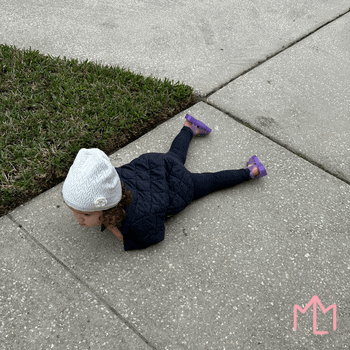
toddler tantrum during the 2 year sleep regression

10. Have a plan of response for stalling

When your toddler is not ready for bed, you might quickly see stalling tactions coming into action.

Stalling such as:

  • I need to go potty
  • I’m thirsty
  • Can I have a snack?
  • I’m too hot
  • I’m too cold
  • and on it goes…

Some of these are very valid! If your little one is potty training them ofcourse whent hey say they need to go to the bathroom, you’re going to take them. And if you nee your toddler uncomfortable, your going to want to cater those those needs.

As you totally should!

But what happens when your little one is just stalling?

The best thing to do is to prepare for stalling is the include those common requests into your bedtime and naptime routines.

Yes, those tantrums will begin to peek out…

But the easiest way to avoid and manage those tantrums is to know the culprits and prevent them

There Isn’t a Wrong Way

You know your child better than anyone else. There is nothing that anyone on social media, the internet, and even a doctor can tell you that you may not know about your child. As their parent, you are connected with them in such a special way. This translates into you knowing your child’s needs. You may not know *exactly* what your child needs all the time, but you can sense when something is just off.

Trust your instincts, mama.

Someone told you that the cry-it-out method will help get your child back on track but you just can’t bear it? That’s ok!

If you know your toddler cries for a minute at night to adjust when you walk away, and you leave them, that’s okay!

You do what works for you and your baby. You will get through this 2 year sleep regression by trusting your instincts, staying connected to your toddler, and following their cues to offer them what they need.

toddler holding on to dolls as loveys; a good step to two year old toddler sleep regression solutions

My Toddler Sleep Regression story

One of the first clues that I noticed when we were entering the 2 year sleep regression was when I saw my baby’s mood change during naptime routine and the way she fought naps. After consistently knowing how she normally reacts during nap routine, when she began to fight it, I knew something was going on. And it’s all because I was used to monitor her daily patterns!

A major addition to this sleep regression was potty training. As soon as we started our potty training journey and she actually started to learn to go on the potty throughout the day- our sleep was impacted.

It started with skipped naps and struggling to fall asleep at bedtime. Then it turned into late naps and crying 30 minutes after being put down for bed.

What I Did

I offered her a nap as she was tired. Even if it was later in the day, I pushed bedtime later. If she cried after I left her room at bedtime, I would wait for a few minutes and then go back in to reassure her. I know she cries sometimes just to let her emotions out, so I wasn’t following any “cry it out” procedure.

After going into her room a few times, she would then settle. Which would mean she’s falling asleep later and waking up the next morning later. Our whole daily schedule was just off! But that’s okay, I followed her lead and comforted her along the way.

1.5 weeks of following her cues and meeting her needs, she began to show signs that she was tired at her normal naptime (pre-sleep regression). I started to gently adjust her naps again to reflect more normalcy, giving her 4/5 hours of wake time between morning and nap and between nap and bedtime.

She started showing great signs of sleep improvement! We were successful at the end of the sleep regression and I was overjoyed. It meant that not only had we tackled the battle of sleepless nights but my toddler had gone through her growth development and was adjusting to her new little mind and all that she is learning.

There were a few nights here and there when she would whimper for a few minutes, but it seemed like she was dreaming so didn’t want to go in and disturb her and wake her up.

That’s why it’s so important to know your baby’s sleep needs and cries 🙂

2 Year Old Sleep Regression Solutions Recap

Your once wonderful sleeper will return to you- don’t worry! Remember, follow your baby’s cues- especially his/her tired cues. Your baby is experiencing such a great growth that they don’t know how to react. You are their support and comfort. Yes, it is HARD.

Be sure to care for your mental and physical health as well!

Here is a quick recap of 10 Simple 2 year old sleep regression solutions:

  1. Reassess your Child’s Sleep Schedule and Sleep Timing
  2. Examine and Fine Tune Sleep Routines
  3. Filling your Child’s “Tired Cup”
  4. Offer choices and set boundaries
  5. Slowly move back to original sleep patterns
  6. Build on your child’s sleep foundation
  7. Keep the crib
  8. Recruit help
  9. Be consistent with positive reinforcement
  10. Have a plan of action for stall tactics

One day your toddler will look at you with sparkling eyes and you’ll no longer see them as your tiny baby, but as a resilient toddler filled with great passion, emotion, and strength.

You got this mama!

Always With Love, Brianna

Related Reading for Easy Toddler Tips!

2 Year Old Sleep Regression Causes
2 Year Old Sleep Regression Signs
Simple & Awesome Daily Toddler Schedule

How to Easily Handle the Terrible Twos

Toddler Screentime Rules

The Best Potty Training Essentials

January 13, 2023 · Leave a Comment

How to Unlock Toddler Positive Discipline: Step by Step Workbook Guide

Toddler Routines

Toddler Positive Discipline Workbook guide

Inside: Learn step by step how to use toddler positive discipline strategies to gently set boundaries for your little one without yelling or tears!

Does your little one have BIG emotions? If you’re tired of struggling with your toddler to actually listen and having trouble knowing when or how to discipline your little one- you’re in the right place!

Toddlers are natural-born boundary pushers…your child isn’t trying to frustrate or manipulate you– they just want to know where their boundaries are.

Learn step by step how to use positive discipline strategies to set boundaries for your little one with love, compassion, and patience- that WORKS.

You CAN teach your little one how to listen without using harsh discipline tactics so you can help your child feel loved and secure!

Imagine how it would feel to:
  • Not have to worry about whether your child will listen to you outside of the home
  • Establish a lasting connection with your child through affirmation & security
  • Run an errand without worrying about how your child will act
  • Have a simple plan of action for your when your toddler throws tantrums
  • Easily manage your toddler’s BIG emotions with constant reassurance
  • Feel confident you are taking the right steps to keep your toddler healthy (emotionally, physically, & mentally)

Download the Unlocking Toddler Positive Discipline Workbook to learn the exact strategy you need to help you set boundaries with love!

unlocking toddler positive discipline workbook and step by step guide
BUY IT NOW- 75% OFF!

In this Ultimate Guide & workbook, I’ll show you a routine you can use to help you begin to set boundaries for babies 18 months to 4 years old!

You’ll learn what causes toddlers to act out and how to prevent those meltdowns with love, understanding, and compassion.

Get ready to…
  • Effortlessly follow each practical step of the training so you can create your own gentle discipline routine at YOUR pace.
  • Easily track your child’s behaviors and moods to see your progress on a daily basis.
  • Get instant access to step by step guidance PLUS tools & resources to help you set boundaries for your little one with love, compassion and patience! 
  • Instantly download the Unlocking Positive Discipline Workbook to have the gentle discipline strategy right at your finger tips so you can keep coming back to it as your child grows!
step by step guide to unlocking toddler positive discipline workbook
BUY IT NOW- 75% OFF!

Here’s Everything You Get!

A complete step-by-step workbook that offers a step-by-step guide on how to create a positive discipline routine using a super simple, gentle framework- the 5 C’s of Positive Discipline.

The Details

  • When to Begin Discipline
  • The Importance of Discipline
  • What Setting Boundaries Looks Like
  • Baby & Toddler Tracker

5 C’s Gentle Discipline Routine

  • Making Your Child Aware of Actions
  • Why Tone Matters
  • What is Consequence
  • Time Out or Time In?
  • Why Understanding Trumps Punishment

Progress Worksheets

  • Consequence Worksheet
  • Behavior Tracker
  • Behavior Chart
  • Behavior Worksheet
BUY IT NOW- 75% OFF!
Does this Toddler Positive Discipline Guide work?

I was standing in the Target checkout line and my daughter decided to have a full-blown, red-faced, screaming match tantrum…

Long story short, my daughter just didn’t like when I told her “no”. She wanted to go back to the toy aisle and didn’t like that she couldn’t. So she had a meltdown…in the middle of Target.

Turns out, I needed to set boundaries. I needed to communicate with her in a way that she understood. And it worked!

I learned how to assess the situation and how my daughter was communicating, prevent her triggers, help her through those triggers, all while setting boundaries without using harsh discipline tactics.

Build Your Confidence!

Being a mom is the hardest job on earth. Between naps, feedings, activities, cooking, laundry, and errands, you have A LOT on your plate.

It’s time to build your confidence! Caring for a toddler can feel like holding an umbrella in a hurricane. But by when you provide them with boundaries, your child will feel safe, loved, and secure.

Don’t feel like you’ve lost control! By setting boundaries in love you are showing your little that you are in charge- helping them feel your loving security.

BUY IT NOW- 75% OFF!
Unlocking toddler positive discipline workbook: step by step guide for setting boundaries in love

What You Will Learn in the Toddler Positive Discipline Guide

  • When is the best time to begin a discipline strategy
  • What causes toddlers to act out
  • How to prevent tantrums in love and compassion.
  • Why you should track your child’s behavior/moods for progress
  • How to enforce boundaries without yelling
  • Gain the confidence you need to help your child understand boundaries & feel secure!

The UNLOCKING POSITIVE DISCIPLINE WORKBOOK is everything you need to finally feel CONFIDENT in how you set boundaries for your child!

BUY IT NOW- 75% OFF!
Always With Love, Brianna
Related Reading:
  • Easy Toddler Bedtime Routine for Calm Nights
  • Stress-Free Potty Training Tips & Routine

November 23, 2021 · Leave a Comment

Easy Baby and Toddler Activities: Cheap, Easy & Fun Activity Toolkit

Toddler Routines

Easy baby & toddler activity toolkit

Inside: Super easy baby and toddler activities to keep your little one busy & stimulated while helping them meet milestones & practice existing skills!

Tired of racking your brain trying to think of easy baby and toddler activities?

What if you could finally plan easy, fun, cheap, educational activities without spending 3 hours prepping for activities that last 10 minutes?

Finally keep your little one stimulated, busy, and reaching new milestones without wanting to pull out your hair!

Your #momlife JUST got a million times easier…

Plan a week’s worth of easy activities in under 10 minutes to keep your baby stimulated and reaching new milestones.

No more losing your mind trying to find and plan fun, cheap, easy activities to help you finally feel confident teaching your baby new things- you can download it right now!

BUY NOW! 60% OFF

Imagine if you could…

  • Get your little one on a rockin’ play routine without pulling out your hair
  • Help your baby reach new milestones & easily track their growth
  • Have a simple plan of action for your baby or toddler’s activities
  • Keep your little one entertained without breaking the bank
  • Quickly prep each activity to maximize your time
  • Accomplish a well balanced play routine with independent play AND parent/child bonding

FINALLY, say goodbye to super complicated activities that your little one is going to play with for only 5 minutes…

And HELLO to a whole goldmine of fun, easy, affordable activities that will take you less than 10 minutes to prep AND that your little one will have a blast doing.

BUY IT NOW! 60% OFF!

Tiny One’s Boredom Buster Activity Toolkit

This treasure chest of fun, easy, educational, and cheap activities for babies and toddlers is perfect for the busy mom who wants to keep their little one growing and having fun…

…without the burden of unnecessary prep and stress!

You’ll get an entire activity planning system— 100 pages of awesomeness to help you feel confident to easily prep fun activities so your baby can continue to grow and thrive!

Plus, the toolkit includes a well-balanced combination of independent play activities as well as activities to encourage parent/child bonding.

That means you’ll be able to not only teach your little one to play on their own (so you can get stuff done!) but also encourage beautiful bonding time between you and your child that will also be strengthening development.

BUY NOW!

Here’s a glimpse at everything you get!

  • 10 Done For You Activity Planning Templates to help you customize each activity to fit YOUR baby
  • 35+ Skill-Building Activities with step by step instructions & set up for babies 2 months old to 2 years old!
  • 20 Activity Worksheets to whip out when you’re in a pinch
  • Everything your little one needs to promote developmental milestones, play independently, and stay stimulated while having fun!
  • A detailed review of how to implement activities & independent play in your weekly routine

This activity toolkit is perfectly designed to HELP you take the overwhelm OUT of planning fun, educational & affordable activities for your children while encouraging independent play AND parent bonding!

It’s time to easily organize & plan your little one’s activities for maximum growth & development while eliminating frustration!

Don’t feel tied down to someone else’s play routine- easily create YOUR OWN your baby can thrive!

This is a FLEXIBLE step-by-step activity system where you can easily plan your own weekly activities by plugging in activities based on the provided activity worksheets and templates!

PART 1: Routine Guide
  • Step by Step Guide to Create Activity/Play Routine
  • Sample Toddler Morning Activity Routine
PART 2: Planning Templates & Activity Guides

Planning templates to help you easily plan & prep + step by step activity guides

  • Newborn Activities
  • 6-12 Month Old Activities
  • 1-3 Year Old Activities
  • Items Needed List
  • Step by Step Instructions
PART 4: Bonus Worksheets

Bonus templates and worksheets to accompany the activity guides

  • Activity Guide Appendix Templates
  • 25+ Bonus Worksheets for alphabet and numbers

BUY NOW!

Does this sound familiar?

  • “I have no idea what to do with my baby all day”
  • “I don’t have much money to spend on activities so I tend not to do fun ones”
  • “I don’t have a clue where to even begin with planning activities”
  • “I’m tired of doing the same activities over and over again”
  • “I just don’t have the time to spend prepping activities”
  • “My baby puts everything in her mouth so I can’t do many activities”
  • “My toddler gets bored with things easily”

I’m right there with ya! I have felt ALL of the above!

But I can help you feel confident in your little one’s development while they have fun!

The Tiny One’s Boredom Buster Activity Toolkit includes 40+ low-cost, screen-free, easy activities with little to no prep.

With activities for babies and toddlers from 2 months old to 3 years old, and over 10 templates to help you create an easy playtime activity routine that works for YOUR family, this activity toolkit is your life raft back to sanity!

HOW TO USE

Download the easy baby and toddler activities toolkit with the click of a button.

All pages are quick and easy to print.

I know some moms who print the organizer and laminate the pages to keep reusing with a dry erase marker. (Like the picture above!)

Or print out key pages you’ll use every week and place them in an 8.5×11 frame that you can also use with a dry erase marker.

To take advantage of the whole organizer, print and place it in a binder. Even use sheet protectors to personalize them so you don’t have to keep copies of the same page!

With 10+ pages of activity planning templates, 40+ easy activity ideas, AND 25+ worksheets to whip out when you’re in a pinch, you’ll be able to help your little one grow in each stage of development with ease and confidence.

B

BUY NOW!

KICK OVERWHELM

Let’s face it––there’s nothing more frustrating than spending 3 hours prepping for an activity that your baby only plays with for 5 minutes. 

And there’s nothing more disheartening than feeling guilty for not knowing what to do with your baby all day. You are not alone!

The truth is that having an easy activity routine is a game-changer, one that will help you feel more connected to your baby, keep your little one entertained & stimulated, and even promote milestone development!

Not ready to purchase the toolkit? Grab this free activity routine!

Always With Love, Brianna

Related Reading:

  • Simple Toddler Morning Routine and Activities
  • The Best Toddler Screen Time Rules
Baby and toddler activity toolkit: 60+ cheap, easy, fun activities!

November 9, 2021 · Leave a Comment

4 Step Simple Toddler Bath Time Routine to Help Fall In Love with Baths

Toddler Routines

Toddler bath time routine

Are you overwhelmed with juggling your daily #momlife to-do list AND your baby’s activities? Grab my FREE Mommy & Me Mini Planner and take control of your day!

Inside: Find out all of the best toddler bath time routine tips to help make baths fun, promote parent/child bonding, toddler independence, and better sleep!

I heard my toddler howling for me from across the house. I walked into her room to find her bare-bottomed with a pile of bath toys in her hand…

Even without telling time, my three-year-old knew it was time for a bath!

Having a consistent toddler bath routine is the perfect way to wind down from the day and can even help your toddler sleep better.

I’ll show you how you can begin an easy bath routine with all of the best toddler bath time routine tips to help your little one love baths and end the day with a relaxing, sleep-promoting routine.

We’ll talk about:

  • Step by step bathing tips
  • How often to bathe your toddler
  • Bath time must-haves
  • What happens after bath time

No time to read this now? That’s okay! Save it to your favorite Pinterest board for later
Simple Toddler Bath Routine to help make baths fun and nights easy'

Toddler Bath Time Routine

Toddlers love predictability- so they love routines!

A bath routine is a great way to begin your bedtime routine that sends a signal to your little one that it’s time to start winding down from the day and almost time for nighttime sleep.

As an Amazon Associate, I earn from qualifying purchases. Please view Mastering Mom Life’s Terms, Disclosure & Disclaimer Policy, and Privacy Policy.

How to Bathe Your Toddler

Here’s a step by step bath routine for your toddler:

1. Run Water to Fill the Bath

The first step in the toddler bath time routine is to actually start the bath. Fill the bath with warm water until it reaches the height of your child’s waistline.

The bathwater should be warm- between 90-100 degrees F.

Be sure to double-check the temperature of the water a couple of times to ensure it didn’t get hotter or colder as the water runs. You can dip your elbow into the rising water to feel the temperature your toddler will be feeling.

Remember, fill the tub to about the waistline of your toddler. Too little water will not be enough to wash your little one and too much water is a danger.

Once the water is at a good height, turn off the water. You can also run cold water for the last couple of seconds to prevent your toddler from touching the water spout if it is still too warm.

We use this drain cover to cover the drain stopper so my little ones can’t play with the drain or accidentally hurt themselves. We also have a cute ducky spout cover that goes over the bathtub spout so they can’t hit their heads on it or play with it.

2. Put Toddler in Bath

As your toddler goes into the bath, double-check the water temperature and the water height/water level.

Depending on your toddler’s age, you can put your little one in the bath once the tub is filled and the bath is off or if they are a bit older your toddler can get in the tub as the water is still running.

This is completely up to you as the parent! You know your toddler best 🙂

My daughter is 4 and she likes to stand (& dance!) in the bathroom and get undressed while the bath is filling up and then hop in once the water is at a good temperature and after I am done putting the cover on the water spout.

3. Clean and Scrub

Scrub-a-dub-dub time!

I use soap and water (and sometimes a washcloth) to clean the main areas of my toddler’s body:

  • Arms/arm pits
  • Legs
  • Behind ears
  • Face
  • Body/torso
  • Privates
  • Hands/under nails
  • Feet/toes/toenails

As she got older, I also use this time to teach her how to clean herself and let her practice. We also sing bath songs to help her remember which areas of her body to clean.

CocoMelon and Mother Gooseclub have fun bath songs you can learn!

Depending on how dirty my little one is determines how I clean my toddler. If we were just in the house all day then I do a quick routine cleaning with soap and water. On the highly likely chance that she got marker or glitter on her body, then I scrub those areas with soap and a washcloth.

If we were outside in the park or in the mixed public, I clean her hair.

I wash my daughter’s hair every 3 days if it stays clean. I immediately wash her hair if it is dirty or has something stuck in it (I’m looking at you slime…)

We use this handy bath rinse cup to wash her hair and keep the water from pouring into her eyes.

I’m not a fan of overly washing/scrubbing because their skin can become irritated from having baths every evening. So, if you just want to use water and a small amount of soap, that’s perfectly fine.

My daughter struggles with dry skin so we are careful and mindful of her skin during her bath time routine.

I like to clean my toddler as soon as they get into the bath and then leave 5-10 minutes at the end of the bath for playtime.  I know some parents who let their kids play first and then clean them right before getting them out of the bath.

It’s totally up to you!


Realated Reading:
Easy toddler morning activities and routine

3. Playtime/Parent Bonding

Now to the fun part…

Bath time is a great time to utilize special connective bonding time with your toddler. Use this time to play games, sing songs, or even just talk about something fun.

Here are some fun interactive bath ideas:

  • Count your toddler’s toes and finger (going over numbers 1-10)
  • Play “mirror” (make a silly face and your toddler copies you)
  • Sing bath time songs (sing “this is the way we take a bath, take a bath, take a bath” to the tune of “The Wheels on the Bus Go Round”)
  • Teach your toddler different body parts (elbow, eye brows, knuckle, etc)

You can also give your toddler a couple of minutes to play with toys too. My daughter loves her pretending she’s deep-sea diving with her bath toys.

Here are some fun toddler bath toys:

4. Done with Bath & Get Dried

When bath time is done, before I take my daughter out of the bathtub, I ask her to clean up her toys. We count the toys and place them in a mesh bath toy organizer bag that suctions to the wall.

After the toys are cleaned, I take her out of the bath and wrap her in a towel. Then I drain the water and remove the water spout cover and place it in the bath toy bag to dry.

It’s time to dry off and get dressed.

Be sure to dry all of the cracks and crevices- under the arms, between legs,  neck, etc.

You can put lotion or any type of body care on your toddler before getting them dressed.

I put hydrating lotion on my daughter’s skin (she struggles with dry skin) and then get her dressed. I like to pick out 2 different pajamas and have her choose which one she wants to wear.

Giving toddlers small options throughout the day helps them feel independent (and can prevent those tantrums!)

You can brush your child’s hair or add any other step you need to after getting them dressed.

And bath time is officially over!

Do Toddlers Need a Bath Every Night?

Not every toddler needs a bath every night.

How often you bathe your toddler depends on your toddler’s needs and your family’s daily routine. I mentioned that I only lightly bathe my daughter if we’ve just been at home all day.

Some parents don’t even bother with a full bath every night and just give their child a wipe down. Whatever works for your family is best!

My kids enjoy bath time as a fun activity so we’ve made a bath routine a part of our bed routine every night. My daughter will not put her pajamas on without taking a bath haha.

As long as your child is going to bed comfortable and clean, you choose how often your child should take a bath based on their hygiene needs and comfort.

Toddler Bath Time Routine Essentials

Bath time wouldn’t be complete without some essentials to help make the bath as effective, efficient, and as fun for your toddler as possible.

(Because no one enjoys a screaming toddler flailing water around hollering to get out…)

Here are some of my favorite toddler bath must-haves:

  • Healthy & safe soap– I use the Sensitive Baby Dove soap for my kids even after they grow out of “babyhood”. Try to avoid unnecessary sulfates and chemical ingredients as best as possible.
  • Thin washcloths– I like to use the thin cotton wash cloths because I find they are easier to maneuver when cleaning your toddler and they also clean better and don’t develop a weird smell after many uses/washes.

These are my favorite toddler bath “convenient items”. I wouldn’t have necessarily purchased these items myself (hello stay-at-home mom budget!), but they were gifted to me and now I couldn’t imagine bath time without them.

You can totally have a successful bath without these items, but they are just some of my favorite bath items that make mom life so much easier.

  • Bath water spout cover
  • Tub drain cover
  • Bath Toy Waterfall for Wall
  • Baby skin brush
  • Toy Bath Organizer
4 step easy toddler bath routine

What Happens After Bath Time?

Bath time is over, now what?

Bath time is just the first step in my toddler bedtime routine!

I create an easy routine to help your toddler unwind from the day and prepare for bed while promoting connection and better sleep.

A bedtime routine is simply just to send a signal to your child that it’s almost time for nighttime sleep.

It’s a great way to unwind from the day, connect, and get your child ready for bed. You’ll want to send certain “cues” to your toddler that it’s nighttime and time for sleep.

Read my step-by-step toddler bedtime routine to help your little one feel as safe, comfortable, and restful as possible while giving them some independence as they continue to grow and develop.

Teaching Your Toddler Privacy

One of the most absolutely essential parenting lessons is teaching your child about privacy. I always use bath time as an opportunity to teach my daughters about privacy.

There are only a handful of people allowed to give my kids a bath (mommy, daddy, and grandma). As my daughters got older, we made sure they knew the 3 people who were allowed to be in the bathroom with them.

It’s never too early to introduce your little one to the topic of “privacy”. You don’t have to introduce medical terms for their anatomy or feel pressured to teach your child something they are too young to understand.

But helping them understand privacy, such as closing the bathroom door when others are around, will create a strong foundation for when those crucial conversations come up in the future.

Download the Free Bedtime Routine!

Access and instantly download a printable toddler bedtime routine chart you can hang up and show your toddler so they can follow along with the routine steps and pictures!

Includes:

  • Bedtime tracker
  • Printable Pictured Routine for toddlers
  • Downloadable step by step routine

Complete the form below to get it sent straight to your inbox 🙂

Recap:

Creating an easy bath routine is the perfect way to help your toddler wind down from the day and can even promote better sleep.

In this post, I showed you how you can begin an easy bath routine with all of the best toddler bath time routine tips to help your little one love baths and end the day with a relaxing, sleep-promoting routine.

Remember, YOU know your little one best! Do what works best for your family while meeting your little one where they need you to.

You got this, mama

Always With Love, Brianna

RELATED POSTS:

  • Simple Toddler Bedtime Routine to Make Nights Calm
  • Easy Toddler Morning Routine & Activities
  • How to Create the Best Toddler Screentime Rules

October 23, 2021 · Leave a Comment

6 Step Simple & Calm Toddler Bedtime Routine

Toddler Routines

Easy Toddler Bedtime Routine

Inside: Start a super simple toddler bedtime routine to help make nights calm while flourishing connections and promoting better sleep.

It was 6:45 pm and my toddler was prancing around the house with her pants on her head pretending she was a superhero…

Let’s just say, it felt like bedtime was nowhere in sight.

Bedtime was kryptonite to my toddler!

So I was determined to begin an easy toddler bedtime routine that wasn’t rigid and unbending, but a bedtime routine that was structured enough to be predictable but flexible enough to help my child freely unwind.

And it was a success!

Following this exact routine, my toddler now knows what to expect from before bedtime and it helps her sleep soooo much better!

I’ll share with you the exact step-by-step toddler bedtime routine to help make nights calm, encourage your toddler to unwind, and flourish your connection with them while promoting better sleep.

Score!

Here’s an overview of the 5 step toddler bedtime routine:

  1. Cleaning
  2. Dressing
  3. Drink
  4. Bathroom
  5. Bonding & Books
  6. Bedtime & Cuddles

We’ll dive into the details and activities of each step and I’ll show you how you can add flexibility to each of the steps as well.

You want to make them feel as safe, comfortable and rested as possible while giving them some independence as they continue to grow and develop.

This bedtime routine can be used for little ones 18 months & up all the way to toddlerhood (4-5 years old)! I’ll show you how to add flexibility to the routine based on your child’s age.

Let’s dive in…

Free toddler bedtime routine to help your little one follow along!

Want to instantly download this toddler bedtime routine now?

If you want this toddler bedtime routine right at your fingertips, get the instant download and free printable version sent straight to your inbox!

This printable is toddler-friendly so you can print it out and place it on your toddler’s wall and they can easily learn and follow it with you throughout the evening.

Also, save the step by step guide to your device so you always have it on hand 🙂

Why is a Bedtime Routine Important?

Bedtime routines can be simple as you make them or as detailed as you like.

A bedtime routine is simply just to send a signal to your child that it’s almost time for nighttime sleep.

It’s a great way to unwind from the day, connect, and get your child ready for bed. You’ll want to send certain “cues” to your toddler that it’s nighttime and time for sleep.

These cues can be anywhere from a bath to a book before bed!

Don’t have time to read this now? That’s okay! Save it to your favorite Pinterest board for later!
6 step toddler bedtime routine for calmer, easier nights and better sleep

Mastering Mom life is a participant in the Amazon Services LLC Associates Program. As an Amazon Associate, I earn from qualifying purchases. Please view Mastering Mom Life’s Terms, Disclosure & Disclaimer Policy and Privacy Policy.

Best Toddler Bedtime Routine

Remember, every child is different so feel free to use this routine as a guide and tweak what you need to in order to meet your toddler where they are.

This toddler bedtime routine just has all of the “ingredients” your toddler needs to successfully wind down from the day and promote a calm night with good rest. But you can mix up these ingredients in any way you see fit!

1. Cleaning

It’s bath time!

Bath time has been the start of our bedtime routine since my daughter was 6 months old. It’s a great way for a toddler to transition from dinner to “wind down” mode.
Even if you’re toddler doesn’t have an actual bath every night, this step is just the act of cleaning your child. Whether that’s a bath or a good wipe down, this step is the first one to help your child understand it’s time for nighttime.

Bath time is also a great way to let your little one get the wiggles out before bed. They can play with toys and this could be counted as their last “activity time” of the day.

This time can also be a great connection activity where you sing songs with your toddler and have fun together.
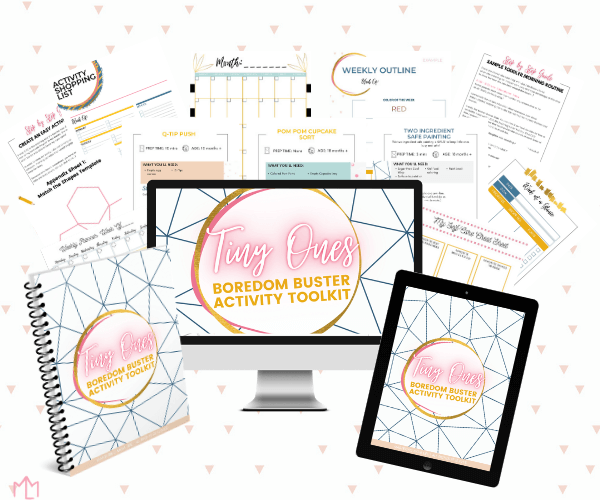
You can make up a “bath time” song or sing a Cocomelon bath song and teach your little one how to clean their body.

Here are some bath toys my toddler loves:

  • Baby Shark Swim Bath Toy
  • Spill, Spin & Flow Bath Toy Set
  • Munchkin Fishin’ Bath Toy

Safety Note: Never leave your child unattended in the bath. I always sit in the bathroom with my children and fold clothes or play with them but I’m always giving them my undivided attention and watching them.


Related Reading:

Easy toddler morning activities and routine

2. Get Dressed

Now that bath time is over it’s time to get dressed in cozy pajamas.

I like to dry my daughter and apply lotion right after her bath. The lotion absorbs so much better into her skin and leaves her smooth and moisturized.

(My daughter battles itchy, dry skin so this really helps prevent her from scratching all night)

Then, if your toddler is old enough, let them dress themselves as much as possible. If your toddler is still little, get them dressed and use this time to teach them how to put each arm in the shirt and each leg in the pants.

I used to sing my baby the hokey pokey when I was getting her dressed after a 4bath. She associated that song with getting ready for bed!

I also give my children 10 minutes of playtime after they are dressed. Another opportunity to get the wiggles out!

They play with each other and clean up their room getting their beds ready for sleep. When my daughters were little and not able to do as much, I would use this time to connect with them and play little games- like peek a boo.

Remember, each step in the bedtime routine is used to help your child understand it’s almost time for bed and unwind but also connect with them before bedtime.

3. Drink

Ever since my children were little, they always loved milk before bed. Whether it was a few ounces in a bottle when they were babies or a little milk in their favorite cup before bedtime.

I like to give them milk when they ask for it at this time because it’s one of their “nighttime cues”.

I have milk as step 3 because it’s a perfect time – they haven’t gone potty yet so I like to wait a couple of minutes after they drink it and then make them go to the bathroom.

(So we don’t have any potty break night wakings!)

My oldest likes to drink her milk sitting in bed. We get our books ready and her pillow nice and fluffed, then go to the bathroom for our final potty trip.

If your little one is still getting a bottle/sippy cup for any reason, this is the step I used to give it to them. (As I mentioned, I’ve been using this routine since my babies were 1 so it’s changed a lot since they were that age as they continue to grow & develop)

4. Bathroom

Here’s the last potty break!

If your little one isn’t potty trained yet, don’t worry- it will happen when your child is ready. During this bathroom time, you can sit your toddler on the toilet if you’re in the process of potty training or you can just use this time to brush teeth.

If you’re wanting to potty train soon, you can add this to your bedtime routine as early as you like so your child can get used to the routine and it will become very predictable for them when it’s time for them to start going potty. It will be something they’re already used to!

If your toddler is potty trained, make sure they actually go to the bathroom. If they “don’t have to go”, ask them to sit on the toilet for an extra 30 seconds to a minute. Sometimes I play a counting game or sing a counting song to distract my toddler from being antsy as she waits.

Giving them that extra time just ensures they actually don’t have to go and not just saying they don’t. This can help prevent an accident or night potty trip.

If your child is younger and still in diapers, this is the time I change them and apply fresh diaper cream.

easy bedtime books

5. Book

We finally made it to book time…

I love this step in our bedtime routine because it means we are one step closer to lights off (cue the mom dance!)

When my daughter was little (18-20 months) I would sit with her on the glider and read her a book after her nighttime milk and diaper change.

As my kids got older and we transitioned them from a crib to a toddler bed/twin bed, we tweaked our bedtime routine to reflect their growth.

Now my oldest is 4.5 years old and we read her books laying down on her bed. She chooses 2-3 books and we read them together.

Here are some fun books that we read every night:

  • First 100 Words
  • Trace & Flip Book
  • Princess Bedtime Stories
  • Peppa Bedtime Stories
  • Mickey Bedtime Favorite Stories

6. Bedtime

That time has arrived—bedtime!

After reading, we…

  • cuddle for a few minutes
  • turn off the lights,
  • switch on the nightlight,
  • put on the sound machine,
  • and give her a big kiss.

I sit on a chair in her room and sing her a few songs until she drifts into sleep.

Some nights I sit for a few minutes and leave. Other nights I sit for a while until she falls asleep. It depends on my toddler’s mode and what she needs that night.

I’ve used a sound machine for my children’s naps and nighttime sleep since they were babies. It helped them sleep better and was a great sleep cue. As your baby gets older, you can begin to wean from the sound machine as you see fit.

My 4-year-old still uses the sound machine on its lowest setting. She likes the noise because we live in very noisy New York City (the city that literally never sleeps when my kid needs to sleep haha)

But I also know parents who play an hour loop of instrumental lullabies or beach waves for their child to fall asleep.

A good rule of thumb is to use whatever method has been working for your toddler to fall asleep for naps and just replicate it for bedtime.

And there you have it!

Free Toddler Bedtime Routine Chart

How to Get a Toddler in a Bedtime Routine

Babies and toddlers love predictability. It helps them feel secure in what they’re doing throughout the day and helps them know what to expect.

Routines are a great way to offer them that predictability and structure!

If your toddler does not have any bedtime routine whatsoever- do not fret…you can easily start one at any point.

It’s never too late to begin a new routine.

It’s also never too late to tweak or alter an existing routine. If you have a bedtime routine but it doesn’t seem to be working, don’t fear changing it a bit.

It’s all about giving your toddler what they need and meeting them where they are developmentally.

  • To start or alter a bedtime routine, it always begins with the first day. Don’t be afraid to just jump in and begin!
  • Follow the routine for the first night and see how many steps you get through.
  • Explain to your toddler each step as you do it so they understand the importance of each activity in the bedtime routine and how it helps them wind down.

Tell them what the next step is so they can begin to be aware of the predictability of the routine pattern.

  • As each night of the week progresses, continue to do the same steps in somewhat the same order (it doesn’t have to be perfect!) while explain to your child what you’re doing, why, and what’s next.

After 7-10 days you should see a noticeable improvement in your bedtime endeavor. More on this later so keep reading!

Also, be sure to download the toddler bedtime routine guide. It not only comes with a download/printable bedtime routine you can follow and teach your child but it also has a nighttime tracker to help you pinpoint changes in your child’s sleep and nighttime mood!

Free Toddler Bedtime Tracker!

What you document & track will help you tweak the bedtime routine to fit your child’s needs to get you even better results.

Grab the free guide by signing up using the form below!

Keep track of how your child sleeps those nights to see if there are any changes. Tweak the routine as you see fit. Remember, this is all about following YOUR child’s cues!

How Long Should a Toddler Bedtime Routine Be?

Don’t get too hung up on doing this super long, detailed and complicated bedtime routine. A bedtime routine is simply to let your little one knows that it’s time for nighttime sleep.

I’m specific in saying nighttime sleep because nighttime sleep is much different from daytime sleep. A nap ends after 1-2 hours. Nighttime sleep lasts 10-12 hours.

A huge difference!

Little actions such as reading a book before bed or putting on lotion before pajamas are sending your child cues that it’s time for nighttime sleep.

This sample bedtime routine (that I’ve used for all of my kids) is about 45 minutes to an hour long. I begin the routine with a bath, and depending on how long bath time lasts will determine how long from that point it takes for my toddler to go to sleep.

But your bedtime routine can be 30 minutes- that’s totally fine!

You can use the steps in this bedtime routine as a guide and shorten or lengthen it as you see necessary.


Related Reading:

8 Best Potty Training Essentials

Tips for Toddler Bedtime Routine

Here are some tips to help you be as successful as possible in your bedtime routine…

Be Consistent

Consistency is the key to any good routine. That’s what makes a routine a routine- the pattern and predictability of it!

And that only comes with consistency. Keep in mind, that doesn’t mean every day has to be a minute for minute clone of the previous day!

It just means to consistently keep the same steps and pattern of the routine as best as you can so your toddler can begin to become aware of its predictability.

Give Your Toddler Options

There’s nothing worse than a defiant toddler refusing to do anything you say. Trust me, I’ve been there…

I’ve learned the very hard way a great way to prevent this little tantrum is to give your child options. Not a crazy amount of options that would overwhelm them but a couple of options to help them feel independent.

For example:

  • pick out 2 pajamas and let your toddler choose which one they want to wear
  • let your toddler choose the books they want to read that night
  • offer them 3-4 different bath toys and allow them to choose

Allowing your toddler to make these small choices gives them autonomy and will even help them with growth and development!

Will I see an improvement in our night times?

After 7-10 days of consistently doing a bedtime routine, you should see a noticeable improvement in your bedtime endeavor.

Keep track of how your child sleeps those nights to see if there are any changes. Tweak the routine as you see fit. Remember, this is all about following YOUR child’s cues!

If you see your child is taking a long time to fall asleep, stretch the amount of time your child is up before starting the bedtime routine.

If your toddler is waking up 2 hours after falling asleep to go potty, be sure to take your little one to the bathroom later, preferably right before they lay down.

Tracking your child’s nights can help you see where you need to make those little changes to enable your toddler to have the best night’s rest possible!

Free toddler bedtime routine with chart, step by step guide and bedtime improvement tracker

FREE Download/Printable Toddler Bedtime Routine & Tracker

Be sure to get the Toddler Bedtime Routine to access my FREE toddler bedtime tracker

It also comes with a printable toddler bedtime routine chart you can hang up and show your toddler so they can follow along with the routine steps and pictures!

Includes:

  • Bedtime improvement tracker
  • Printable Pictured Routine for toddlers
  • Downloadable step by step routine

Complete the form below to get it sent straight to your inbox 🙂

Recap Time!

Bedtime routines are one of the best ways to help your toddler unwind while giving them the “nighttime sleep” cue.

Overview of the 6 step toddler bedtime routine:

  1. Cleaning
  2. Dressing
  3. Drink
  4. Bathroom
  5. Bonding & Books
  6. Cuddles & Bedtime

The goal is to make them feel as safe, comfortable, and restful as possible while giving them some independence as they continue to grow and develop.

This exact step-by-step toddler bedtime routine is designed to help make nights calm, encourage your toddler to unwind, flourish your connection with them while promoting better sleep.

Remember, YOU know your child best!

Tweak this routine as you see fit to meet your child where he/she needs.

Don’t forget to grab that free Toddler Bedtime Routine (fill out the form above!) so you can have these steps sent straight to your device 🙂

You got this, mama!

Always With Love, Brianna

Related Reading:

  • Simple Toddler Morning Activity Routine to Keep them Busy
  • How to Easily Create Toddler Screen Time Rules
  • Potty Training Tips & Essentials

October 15, 2021 · Leave a Comment

FirstCry PlayBees Educational App

Toddler Routines

Inside: Find out how to make screen time learning fun with the FirstCry Playbees Educational App!

Ready to make screen time learning fun?

As a new mom, I was extremely anti-screen time. I thought screens for toddlers were counterintuitive to learning…but man, was I wrong!

With the right boundaries and with the right apps you can make screen time for your toddler full of learning fun.

When my daughter reached 2 and a half years old, I began to implement educational screen time filled with apps that promoted age-appropriate learning alongside our morning learning time.

No time to read this now? That’s okay, save it to your favorite Pinterest board now!
How to make learning fun with learning apps

It taught my daughter independent learning while reiterating what I was teaching her, such as helping her learn colors, sharps, and rhymes. And we’ve continued to search for educational apps ever since.

I recently partnered with FirstCry to try their brand new educational app and it was a completely hit!

The FirstCry PlayBees educational app is great for children to build and work on existing skills while keeping the fun in learning. From colors and numbers to rhymes and letters, your child can begin learning in a fun, new way!

In this review, I’ll walk you through the complete app and show you the best features my daughter enjoyed as well as share my personal thoughts on this educational app.

FirstCry PlayBees Educational App

first cry playbees educational app
The home screen after you download the app

How to Download

The FirstCry Playbees learning app can be easily downloaded and installed on any iOS or Android device. You simply open the app store, search for the app, and then you’ll be prompted to download it.

Here are the direct links to the PlayBees app in the app store for each device:

Android PlayStore
iOS AppStore

How the app looks in the app store

The First Cry Playbees app is free to download so you can poke around the app and get a feel for it.

How it Works

What I love most about the First Cry PlayBees educational app is the ability to download certain games within the app that can be used with an internet connection. Which is great for car rides and errand runs!

There is a free section in the app which includes some stories, games, and songs. You can let your little one play around with the free section to see if this educational app is the right fit.

Free section of the app

You can also start a free 14 day trial to access the entire app that includes all of its features:

  • Educational Games
  • Stories
  • Rhymes
  • Read Aloud
  • Flip Books & more!

It currently has over 1,000 games, rhymes, stories and books.

Use the red arrow to download the activity to your device

Within the app, you can set the age range for your child so the app gives you age-appropriate games and activities for your little one. I love this app because it can grow with your child and meet their developmental needs as they continue to learn!

There are 3 age ranges:

  • 0-2 years old
  • 2-4 years old
  • 4-6 years old
How to settings page looks & how to change the age range

My Honest Review

I’m usually skeptical to purchase subscription-based learning apps because I usually find all of them to be the same. And honestly, it’s sometimes cheaper to just download different free learning apps instead of purchasing a yearlong subscription to one app that your child will get bored with…

But I can honestly admit, this is the first educational subscription-based app my daughter has truly enjoyed.

So far, my daughter has enjoyed most games and really likes the story section of the app. She has used it long enough to switch her age range from 2-4 years old to 4-6 years old.

She recently turned 4 so I was afraid the app wouldn’t be able to meet her where she is in her developmental transition from 3-4 but the creators did a good job with the difficulty levels and activity variety.

I also really like the ability to download different games and activities within the app that you can use without internet. You can tap the little red arrow in the top right corner of the activity for it to be downloaded within the app.

When I first started poking around the app my daughter was a bit confused with how it worked but we later figured out that you have to individually download each activity you want to play with. I prefer this because it saves on device storage!

That was honestly the only hiccup we had with the app when we first started using it.

How I Schedule Screen time

As you know, screen time is a controversial topic in the parenting world but I believe screen time can be used as a great educational tool when boundaries are set.

Every day after our morning activity lessons, my daughter is able to have 30 minutes of educational screen time. This helps her independently play while reiterating what we were just learning!

For the first 10 minutes, I sit with her on the app to engage and use that time for bonding and for the last 20 minutes she is able to play on the educational app as she wants. I personally have very strict standards for what my daughter is exposed to at such a young age so having an educational app that I trust really makes all the difference!

Subscription Details

Basic– includes rhymes, games, and stories for $24.99 a year

Gold– includes rhymes, games, stories and read aloud books for $34.99 a year

Platinum– includes rhymes, games, stories, read aloud books, and flip books for $39.99 a year

Each subscription package does include a monthly subscription option starting from $2.99 a month.

Disclaimer: I was gifted with a year subscription to the First Cry PlayBees app but this in no way affects my review of the app. My opinions and views are my own.

Recap:

Educational screen time can be a great tool to practice existing skills with proper boundaries.

The FirstCry PlayBees educational app is one of these great tools to help your child learn new milestones and exercise existing skills!

Always With Love, Brianna

June 13, 2021 · Leave a Comment

How to Help Your Toddler Adjust to a New Baby

Toddler Routines

Inside: Find out the easiest tips to help your toddler adjust to new baby by making them feel included, loved, important, and well prepared so you can make the transition easy!

As I stared down at the 2 little pink lines I was immediately excited but my mind began to race…

How can I juggle 2 kids?

Will I be able to divide my love?

How is my daughter going to handle being a big sister?

My excitement morphed into worry because the relationship I have with my daughter is so special that I didn’t know how she would react to the news that I’m pregnant with another baby.

Fast forward 9 months…

And everything turned out great! Actually, better than I could have ever imagined!

I’ll share my exact tips and tricks to help your toddler adjust to your new baby so you can eliminate jealousy and promote a healthy bonding between your newly grown family.

After you implement these tips, your toddler and baby are on the road to truly becoming best friends 🙂

I’ll walk you through exactly the best steps you can take to help your toddler feel included, loved, and fall in love with your new little one!

No time to read this now? That’s okay! Pin it to your favorite board for later!

These tips will cover what you can do to start preparing your toddler for your new baby starting when you first find out you’re pregnant all the way until you finally bring your sweet little one home.

I’ll help you help your toddler feel helpful and useful instead of unnoticed or overlooked.

Let’s get down to it!

Tips to Help your Toddler Adjust to New Baby

The best way to help your toddler adjust to new baby is to actually begin when you find out you’re pregnant.

These tips will help keep your toddler in the loop as your belly grows and help them feel included while you prepare for your new little one.

If you’re already past this part and your baby is here, you can just skip down to the next section of tips!

How to Prepare Toddler for Baby While You’re Still Pregnant

Tell your toddler the news first

The best tip to help your toddler adjust and prepare for a new baby is to actually tell your toddler you’re pregnant before you tell everyone else.

Your toddler is an important member of your little family so discuss with your husband when is the best time to share the big news with your toddler.

You don’t have to tell your toddler right away, just be sure to tell them before you tell everyone else. Even if it’s just a day before.

You don’t want your toddler to be blindsided in front of your whole family with the news. Especially since you don’t exactly know how your toddler will react.

Maybe they need extra cuddles, maybe they’ll need a better explanation.

And giving them this one on one time will start the whole journey in the best way possible!

14 Best Tips to Help Toddler Prepare for Baby

Have your toddler help with your pregnancy announcement/gender reveal

Now that your toddler knows your big news, let them help you announce it to your family and friends!

Here are some pregnancy announcement ideas with toddler:

  • Toddler holds a balloon that says baby
  • Have toddler hold a letter board that says promoted to “big sister” or “big brother”
  • Take a family maternity photo

Pregnancy gender reveal ideas:

  • Have toddler bite into a pink or blue cupcake
  • Toddler can hold a pink or blue balloon
  • Toddler can open a box with something pink or blue inside

Mastering Mom life is a participant in the Amazon Services LLC Associates Program. As an Amazon Associate I earn from qualifying purchases.

Show your toddler books about the baby growing

Another really great tip to help your toddler adjust to new baby is to show him/her how the baby is growing in your belly.

You can use a pregnancy book like this one and walk them through how your baby grows every well.

You can also download an app like Baby Center and your toddler can see pictures and videos of your baby growing.

My daughter absolutely LOVED watching videos of the baby growing every week and every month.

We’d talk about how her sisters finger nails were growing or how she looks inside of the belly when she kicks.

You can use this opportunity also as a way to teach how the body forms and grows and go over parts of the body!

Let them help you pick items for your registry

The next step is to get ready for the new baby and your toddler will looveeee this part.

Plan a day to go to your registry store of choice such as Target or Buy Buy Baby.

Have a special breakfast that morning, visit the store, and let your toddler look at all the items you need. Let her/him pick out crib sheets, patterned burp cloths, a cute onesie, and anything else that you allow them to decide.

This will help your toddler feel connected with your baby when they see the baby using the item they picked out!

Show them the bottles, the baby’s crib, and other baby items.

Tell them what each item does for the baby too!

And if the store has a registry machine, let your toddler scan the items- they’ll have so much fun 🙂

If you’re setting up an online registry like Amazon Baby (which is my favorite option!) you can still make it fun by having your toddler help you scroll through items!

Include Toddler in your Baby Shower

Once your registry is all set up, next, it’s time for the baby shower…yay!

It may be difficult to watch your toddler when you’re waddling around at a party dedicated to you so don’t worry about having your toddler be there the whole time.

Maybe your husband can watch your toddler for most of the shower and your toddler can come help you open gifts or take pictures.

My cousin gave my daughter a gift at my baby shower and it was a sash that said “Super Big Sister” and she wore it the whole time!

Buy toddler baby doll

The last tip to help your toddler adjust to new baby while you’re still pregnant is to let your toddler chose a baby doll of their choice that can become “their baby”.

This can be a pretty baby doll or even a spider man plush!

It doesn’t matter what kind of “doll” it is, as long as your child:

  1. Picked it out themselves
  2. Learns to care for it

This will come in handy when you need to feed or change your new baby so your toddler can stay involved by taking care of theirs!

Tips to help toddler adjust to new baby when baby comes home

The beauty of having a toddler is they are just a bit old enough to understand more than your baby does. So these tips will help you include your toddler in caring for your baby in simple ways that will have a great impact.

toddler & baby doll

Involve your toddler in everyday baby tasks

Infants need constant care and attention which means that it’s really easy for you to feel torn between your toddler and your newbon.

But it including your toddler in those daily, repetive baby tasks can help you easily juggle both your new baby and your toddler.

I’ll show you 2 easy tips here:

Ask toddler to help with diaper changes

I started off by including my daughter in routines that we would be doing over and over again each day, like diaper changes.

I set up a little toddler chair next to the changing table and would give L different tasks. Such as:

Please give mommy the diaper

Can you open the diaper cream cap?

Please throw the diaper in the trash

Then after a few weeks your toddler will be so used to your diaper changing routine that they will feel needed and helpful instead of feeling jealous or even ignored.

Let toddler help you wash bottles/laundry

If your toddler is old enough to stand on a step stool and help you do some basic chores, this is a great way to help your toddler feel included and adjust to your new baby.

When you have to wash bottles, have your toddler stand on a step stool by the sink and help you rinse or dry the bottles.

When you do your baby’s laundry, ask your toddler to unsnap onesies buttons or throw each piece of clothing int eh washing machine.

Making these everyday tasks into a little game can help your toddler feel even more included and allows them to feel they are helping.

Implement a reward system

If your toddler begins to help you with diaper changes or bottle washing or laundry, begin to start a reward system so your toddler feels like they are working towards something by helping you and the baby.

For every time your toddler helps with a diaper change, give them a sticker. After 20 stickers (or an amount you decide), your toddler can choose one gift out of a special treasure box.

You can fill the treasure box with little items from the Dollar Store or Target dollar spot. Maybe a coloring book or a little surprise egg with their favorite character.

Rewarding your toddler for helping you with the baby will keep them encouraged!

Explain to your toddler what you are doing and why

Toddlers are like sponges. They retain information and process things differently than we do so it’s important to keep them in the loop so they understand what is going on around them.

As you change the baby’s diaper, explain to your toddler how babies go peepee in the diaper and then when they become big girls or big boys, they go peepee in the potty.

As your breastfeeding, explain to your toddler that mommy makes special milk that makes the baby strong and healthy.

As your bottle feeding, explain how feeing the baby sitting in an upright position helps make the baby’s belly less bubbly and gassy.

Use words your toddler will understand but teaching and explaining to them key actions that you do throughout the day will help your toddler feel included!

Have a positive discipline strategy in place

Let’s face it- toddlers can be a handful…and sometimes they can be downright bad.

  • Refusng to listen
  • Throwing tantrums
  • Running away from you
  • Making messes
  • The list can go on and on.

And if you’re juggling a newborn PLUS a toddler having a bad day, things can get hairy really fast.

The best thing to do is to have a positive discipline routine in place.

Go over the discipline routine with your toddler so they know what to expect when they do not listen to you.

Explain to your toddler how important it is to listen and how they can help you with the baby by putting on their listening ears.

If you’re looking for a positive disciple strategy that actually WORKS, downloadguide this article for my step by step discipline routine.

This is the exact routine I use with my daughter, starting when she was 2 years old!

I created the Positive Discipline Strategy guide with simple steps so you can slowly implement the discipline routine at your own pace and in a way that your toddler will respond well to it.

Download the guide below!

Free Positive Discipline Guide

Have a special snack/treat/show ready just for when you have baby around

There will be many times when you’re caring for the baby that your toddler can’t really help you much.

To be honest, there will be some times where their help will just make the situation harder for you.

And that’s okay!

To keep your toddler calm and not feeling ignored, choose a special treat or snack that they can have during these times.

It doesn’t have to be every day, but your toddler will feel more special by playing with a special toy or eating a special treat instead of potentially feeling unseen.

You can even have a special movie or show that your toddler loves that they can watch just when you’re with the baby.

Use whatever works for your family!


Related Reading
How to Create a Simple and Awesome Daily Toddler Schedule

Plan quality time with toddler

I noticed that toddler’s love language is quality time. Special time with mommy and daddy is like pure gold to any little one.

I know when my daughter starts saying “Mommy, mommy, mommy, mommy” 50 times a day, she’s really craving time with me.

Toddlers just want your attention and when you have a new baby around, that can seem almost impossible.

But quality time doesn’t have to be a 2 hour movie…

  • Sit on the couch and cuddle for 5 minutes.
  • Play with your toddler and their favorite toy.
  • Ask them what they would like to do for 20 minutes and they get to choose the activity.

Anything that give you and your toddler time together where they are your only attention, is great quality time.

So don’t beat yourself up and feel guilty for not giving 100% of your attention to your toddler 100% of the time.

Just plan little pockets of quality time with your toddler throughout the day and you’ll notice any tantrums start to disappear 🙂

Make Baby & Toddler Life Easy!

Download the FREE Mommy & Me Mini Planner to help you juggle baby feedings, diaper changes, toddler activities AND your to-do list in ONE place!

Download the Free 10 page printable planner + organizer now!

Well there you have it!

I hope this extensive list of tips to help your toddler adjust to a new baby will help you feel confident knowing that you can successfully juggle and newborn and a toddler AND not spread yourself too thin!

Don’t feel guilty for having to split your time between your 2 little ones. They are both getting 100% of your love and care, even if it a looks a little different than it used to.

Remember, the goal is to help your toddler feel loved, appreciated, and important by actively including them in your daily routine with your baby.

Don’t worry, it’ll come like second nature to you <3

You got this mama!

Always With Love, Brianna

Want easy, fun & cheap activities to keep your baby and toddler entertained?

Does this sound familiar?

“I have no idea what to do with my baby all day”

“I don’t even know where to begin with planning activities”

“I don’t have much money to spend on activities so I tend not to do fun ones”

“I’m bored with doing the same activities over and over again”

“How do I start a healthy activity routine?”

I can help you conquer these struggles!

Say goodbye to taking 4 hours to prep for a super complicated activity that your baby is going to play with for only 5 minutes, and HELLO to a whole goldmine of fun, easy, affordable activities that will take you less than 10 minutes to prep AND that your little one will have a blast doing.

Let’s make baby and toddler activities easy with the Tiny One’s Boredom Buster Activity Toolkit!

I created this Tiny One’s Boredom Buster Activity Toolkit to help you take the overwhelm OUT of planning fun, educational & affordable activities for your children while encouraging independent play AND parent bonding.

This toolkit is specifically designed to keep your baby or toddler busy, stimulated, and having fun all while helping your baby/toddler meet new milestones and practice existing skills!

With over 35 activities for babies and toddlers from 2 months old to 3 years old and over 10 templates to help you create an easy playtime activity routine that works for YOUR family, this activity toolkit is your life raft back to sanity!

The special starts today but won’t last long so be sure to…

LEARN MORE HERE!


Read more posts about making life with toddlers easy!

3 Toddler Routines Your Child Needs Now
How to keep your house clean with a toddler

January 17, 2021 · Leave a Comment

How To Easily Shop With Kids (Tantrum Free!)

Toddler Routines

Easily go shopping with kids

Inside: Want to easily go shopping with kids? Find out the best 5 tips to help you prevent meltdowns!

Have you ever been the mom standing on the checkout line and your child decides to go completely ballistic? You know, full-on meltdown, tantrum stomping, or red-faced screaming…

You try absolutely everything to calm your little one down but nothing seems to be working.

You immediately look around and see all of the other people staring at you, wondering why you can’t “get your baby under control”.

Embarrassment sets in. Anger starts to rise. And you lose your patience.

The domino effect is in full swing.

I have been there ppllleennntttyyy of times!

And if this has ever happened to you, know this—you are NOT a bad mom.

Babies and toddlers are little people with their own emotions who can’t clearly express themselves yet. Yes, meltdowns at the checkout line are not fun—but that’s ok, it’s a part of motherhood!

I’m going to share some of the best tips to help you shop with kids and easily run errands with your baby or toddler.

Of course, you can’t control everything your baby or toddler will do and feel, but you can prevent meltdowns and use special tactics to divert the crisis!

The top 5 tips to easily go shopping with kids are:

  1. Pack an epic busy bag
  2. Have “special goodies” on hand
  3. Plan around routine
  4. Practice patience
  5. Put on listening ears

With these 5 tips, you will be running errands left and right with your little one—tantrum & meltdown free!

Let’s jump into these tips!


Disclosure: This post contains affiliate links. As an Amazon Associate I earn from qualifying purchases. Please view Mastering Mom Life’s Terms, Disclosure & Disclaimer Policy and Privacy Policy. I wholeheartedly believe in all of the products I recommend and use them all! 

5 Tips to Easily Go Shopping with Kids

One day I was standing on the Bath and Body Works checkout line, with a basket filled to the brim with items and my daughter decided to have a full-on “toddler moment”.

Everyone around me quickly glared my way.

I thought to myself how in the world people can be so judgmental and condescending to a mother, who clearly has her hands full.

My anger wasn’t towards my daughter, it was at the people around me for escalating the situation and making me feel like a bad mom.

After that day, I swore to myself I would try to work at making these shopping trips easier for my daughter.

I’ve been implementing these tips for the past couple of days (since our last Bath & Body Works incident) and it’s realllllyyyy been helping….

1. Pack an epic diaper bag/toddler bag

A perfectly packed bag is a complete life-saver!

You want to make sure everything your little one needs is in there. From wipes to snacks, you want that bag to be the one-stop-shop for everything that you will need.

Be sure to pack your child’s favorite snacks, drinks, toys, and games!

Here are some things I always have on hand:

  • Apple Sauce On the Go Pouches
  • Organic Fruit Snacks
  • Happy Baby Freeze-Dried Yogurt Bites
  • Apple & Eve Juice Boxes
  • Miracle No-Spill Sippy Cup

Here’s my famous diaper bag checklist that I use when for our outings. As my daughter got older, I changed a few items, but the gist of it stayed the same.

You can download my free printable Diaper Bag Checklist below!


Related Reading: How to Pack the Perfect Diaper Bag


Fun Apps that don’t need internet

If I know I have to run a lot of errands or shop for a while, sometimes I download Mother Goose Club episodes to the Netflix app so my daughter can watch them without internet.

You can use Netflix, Vudu, Disney+ and other apps to download shows and movies to your device so your child can be occupied, even if you don’t have internet.

I don’t mind letting my daughter watch educational shows while I shop. It keeps her content, it’s educational, and since it’s not a part of her everyday routine—it’s a treat for her!

Here are some fun game apps that don’t require internet:

  • Baby Coloring
  • Disney Jigsaw! Puzzles
  • Disney Coloring
  • Daniel Tiger Neighborhood Game

How to easily shop with kids| tantrum free

2. Special Goodies

Don’t underestimate the power of the word “special”!

I recently started putting things aside that I know my daughter really likes and only using them during our outings.

She knows those are her “special goodies” for when she’s a good girl and mommy is running errands.

One of her special treats is screen-time (like I mentioned above), but other goodies include glitter stickers, special lollipops.

Here are some “special goodies” that I stock up on:

  • Water Wow On the Go Coloring Book
  • Toddler Learning Tablet
  • Peek & Play Surprise Eggs

By stocking up these fun “special goodies”, you can easily go shopping and your little one will be entertained until no end!

3. Routine is king

If you’re trying to avoid a meltdown in the middle of a store, you want to be sure to go out when your child is most likely going to be in a good mood.

An overtired child is a miserable one.

To easily go shopping with kids, the best thing to do is try to plan your outings around your child’s naps.

If you track your baby’s routine, you’ll see a stretch of time where your little one is happy and content.

That is a primetime window for outings!

(Of course, not all errands can be based off your little one’s routine, but it’s a good rule of thumb for easy outings)

Try to keep your child’s routine as close to normal as possible.

  • If your little one needs to nap, try to plan the outing where they can sleep in the car.
  • If your baby needs to eat, plan your day to be at a certain place at a certain time so you can feed.

Keeping up with routine will help prevent your child from feeling “displaced” and ultimately needing to have a meltdown!

4. When shopping with kids, Patience is a Virtue

This tip is more for us- the overtired stressed mamas of the world!

Having patience and not overreacting is a big part of keeping your child calm. Our children feed off our emotions and mood.

So, if you want to have a successful & easy outing, try to stay as calm as possible.

I KNOW it’s hard! But you will thank yourself for it 🙂

Picking your battles will probably be one of the hardest things you have to do, but having patience and staying calm with your little one will help them stay calm too.

To go shopping with kids means to put on your patient hat!

5. Listening Ears

This is one of my best toddler tips!

Whenever my Baby L isn’t listening to me I tell her to look at me and then I start to “turn on” my listening ears (making a hand motion as if I’m turning my ears like a knob).

Then I ask her to turn on her listening ears.

All you have to do is:

  • Make eye contact with your child
  • Do a hand motion as if you are turning your ears like a knob
  • Say “please turn on your listening ears”

This is really great to get your kid’s attention and get them to follow directions!

If you’re going shopping with kids old enough to understand when they need to pay attention, “listening ears” is a great tactic to get them involved and motivated to listen.

Using this kind of approach (rather than the “why aren’t you listening to me??” approach) will help you connect with your little one so they are more receptible to what you are asking.

Mommy & me planner: Image of desk and flowers

Get a FREE Mommy & Me Planner!

Knowing your child’s routine can be the difference between a smooth, successful outing… and a catastrophe.

To help you understand your child’s routine, it’s best to track their activities, feedings, and naps. After tracking your baby’s activities for a couple of days, you will begin to see a pattern—which is their overall routine!

You can use this routine to help you plan your day, your tasks, your schedule, and your outings.

Knowing your child’s routine is like having GOLD!

To easily help you do this, I created the Mommy & Me mini planner to help you track your child’s schedule AND help you plan your tasks.

Download the free mini planner now!

Let’s recap:

These are some of my tips for running errands with Baby L—and they have been WORKING!

Now you can stroll the mall, skim the stores, run errands, grocery shop, and even hit some sales you have your eye on—with your child in hand…

Tantrum-free!

The top 5 tips to easily go shopping with kids are:

  1. Pack an epic busy bag
  2. Have “special goodies” on hand
  3. Plan around routine
  4. Practice patience
  5. Put on listening ears

With these 5 tips, you will be running errands left and right with your little one—tantrum & meltdown free!

I hope these tips help you too!

Always With Love, Brianna

Keep Reading these Related Posts!

  • How to Create Your Own Screen Time Rules
  • The Best Toddler Morning Activities & Routine

Wait! Do you love Free printables??

Resource Library Image

Become part of the Mastering Mom Life Insider tribe and get instant, exclusive access to my Mom Treasury filled with FREE printables + worksheets to make mom life easier!

February 20, 2020 · Leave a Comment

The Best Potty Tips for an Easy Training

Toddler Routines

Inside: Thinking of potty training? Learn the best toddler potty training tips to help you make this pivotal transition an easy one!

I plopped down at my kitchen table, completely exhausted from throwing my daughter’s 2nd birthday party. Out of the corner of my eye, I saw my daughter skipping around her new toys and it hit me– oh my gosh, I have a toddler!

Immediately the thought of potty training flooded my mind.

How am I going to potty train her?

Will it be hard?

At that moment, potty training seemed like a huge mountain I could never climb. I dreaded even starting because of all the horror stories I’ve heard.

But I couldn’t let my fear and anxiety keep me from teaching my daughter this essential life skill.

So I buckled down and began potty training my toddler. And to my amazement—it wasn’t that hard!

On my potty training journey, I learned some amazing tips and tricks that made toddler potty training an absolute breeze.

Within 10 days, my daughter was completely out of diapers, using the potty, and accident-free!

I don’t necessarily believe in those “potty train your baby in 3 days” articles, mainly because like with any other milestone, potty training is a process.

But with these tips and tricks, I’m hoping to make your toddler potty training process as simple and stress-free as possible 🙂

So let’s get down to it!

Best Toddler Potty Training Tips

Remember to be patient with your toddler and yourself. Trust your instincts and take it one day at a time!

This post contains affiliate links. Mastering Mom Life is a participant in the Amazon Services LLC Associates Program. As an Amazon Associate, I earn from qualifying purchases. Please view Mastering Mom Life’s Terms, Disclosure & Disclaimer Policy and Privacy Policy. I wholeheartedly believe in all of the products I recommend and use them all! 

1. Stock up on Potty training essentials

The last thing you want to do is start the potty training process without your major essentials. That’s like baking cookies without any ingredients—it’s impossible!

Make sure to have all of the essentials before you start potty training. That way, nothing will disrupt your process once you’ve begun.

You can read my list of potty training essentials here.

Or you can download my free Potty Training Essentials Checklist below!

2. Involve your child in buying underwear

The first potty training tip is to involve your little one in as much as possible in this transition. Starting with buying their first training underwear. If you read my potty training essentials article, then you know how amazing these training undies can be!

They come in different characters and colors so your toddler can get excited about wearing their favorite underwear.

When you involve your toddler in the buying process and let them choose their own underwear, it sets them up for success because they feel empowered that they are making their own choice. And ultimately, entering into their “big kid” phase!

3. Make your bathroom as comfortable as possible

The next toddler potty training tip is to make your bathroom a toddler sanctuary. You want your child to know the difference between playroom and bathroom, but also not be intimidated by the bathroom.

Many toddlers are afraid of bathrooms because it is a foreign concept to them. They know diapers and wipes but the porcelain chair and flushing are completely foreign to them!

That’s why you want to get your child accustomed to the bathroom by making it comfortable for them. When you remove their reservations, they are way more likely to actually *want* to use the bathroom.

That way, you aren’t forcing your child to sit on the potty. They are asking to go.

I made some minor changes to our bathroom during potty training season. I purchased a fun Finding Nemo shower curtain, a fun toddler toilet seat, added some fun color towels, and made a “potty basket” filled with potty books and potty training dolls.

As soon as Baby L saw the bathroom with Nemo, she immediately wanted to go in!

4. Create a reward system

I am a strong believer in reward systems because not only do they work but then can be completely customized to fit ay family!

My favorite potty training tip is to use a Potty Chart. (You can get my FREE potty training chart here!)

This helps get your toddler involved with their potty training! For every time they sit on the potty, use the potty, flush the potty, and wash their hands, they get a different reward. This encourages then to learn each step of the potty training process as easy as possible!

Step by Step Reward System

Because every part of the potty training process is important, I like to reward Baby L for every time that she does anything potty related.

  • If she sits on the potty and tries to go, she gets to play with her fish toy in the bathroom sink.
  • If she actually goes, she gets a chocolate chip (I buy sugar-free chocolate chips that are healthy so no worries about overloading your child with sugar!)
  • If she does the whole process, flushes the toilet and washes her hands, she gets a sticker on her potty chart that she completed the steps.
  • If she gets 4 stickers that day, she gets a surprise.

I went to the dollar store and bought $10 worth of toys, coloring books, and little surprises to give her over the course of her potty training days. (You can find all of these on my potty training essentials checklist here!)

It’s worked like a charm!

And if she initiates to go on the potty without me asking, she gets an extra surprise. This could be her playing with a certain toy that she’s not allowed to play with all the time or something else that is meaningful to her.

Potty Training Essentials

You don’t have to reinvent the wheel!

Use rewards that make sense to your child

It doesn’t have to be big or elaborate. Just something that is special to them.

To help you perfectly track your toddlers potty training progress, I created a customizable Potty Training Chart & Tracker for you!

The potty chart includes a chart for you to check off each time your toddler does one of the potty training steps. You can print the chart so they can see their progress and they can even use a marker to check off each star once they are done!

Then you can let them put a sticker on the chart so they can feel accomplished 🙂

It also includes a tracker to help you keep track of what is working and what isn’t. Plus it has a place for you to write notes about each potty trip as well.

This is the exact chart and tracker I used and it was perfect!

You can download the FREE Potty Training Chart & Tracker by clicking below!

5. Set some time to be home

My next potty training tip is to set a couple of days aside to just be home. You don’t want to start potty training your little one only to find that you need to run a bunch of errands. This can disrupt the training process and cause a delay.

I made the mistake of starting to potty training during a week where we had a lot to do. This confused my daughter because she didn’t know when it was okay to go in her diaper and when it wasn’t.

If you truly want potty training to stick the first time, you’ll have to teach your child that going to the bathroom in a diaper isn’t an option anymore. Of course, there will be accidents and special cases! But as a whole, the goal is to teach them the new place to do their business is on the potty, and nowhere else.

This will help them understand what it means to “hold it” and go pee-pee on the potty.

If they are confused about when they can go on themselves and when they can go on the potty, it will be hard for them to understand what going on the potty actually means.

To eliminate all confusion, being in the comfort of their own home where they can go potty as they please will really help solidify potty training!

The best potty training tips for toddlers

6. It’s okay to have accidents

This potty training tip will cause some controversy but that’s okay!

I truly believe that it is okay for your child to have accidents during the potty training process. This is completely normal. After years of going to the bathroom in their diaper, they are now learning that it’s something they cannot do. And with that, comes a huge learning curve.

My daughter would have an accident at least twice a day. She either wouldn’t make it to the bathroom or she would just be playing and would pee—because she forgot she wasn’t wearing a diaper.

Don’t worry, this is normal!

Having accidents will actually help teach your toddler that they need to go on the potty. When they feel wet, they will know something isn’t right and then you can use that situation as an opportunity to take them to the potty.

Also, because they have on their training underwear, the mess isn’t as bad too!

Don’t forget to have some disinfectant on hand for those accidents too 😉

Potty Training Cleaning Products

7. Set a reminder for every hour

To prevent a million accidents taking place in one day, my final potty training tip is to set a reminder for your little one to go potty.

Every time your little one has some water or juice, make a note of the time and set a reminder. At first, they won’t understand that they need to hold it until they get to the potty. So to help them, you sit them on the potty even if they aren’t telling you they have to go. Because odds are, they do!

8. Celebrate it up!

Don’t forget to celebrate every time your toddler uses the potty! Jump up and down, sing a song, clap your hands—use positive reinforcement to give them as much praise as possible.

And don’t forget to give yourself some praise too. After your baby foes to sleep, have a cup of coffee, treat yourself to your favorite snack, watch a guilty-pleasure show and take a breather. You deserve it! Potty training is not easy. Teaching your child something new is always a difficult task so don’t forget to take some time out for yourself too J

Potty Training Chart and Tracker

Download the Free Potty Training Chart & Tracker!

Don’t struggle through potty training! Download the free potty training chart and tracker to help you easily keep track of your child’s progress. Plus use the potty chart as a reward system to keep encouraging your toddler!

Keep track of any notes and your toddler’s potty progress during this pivotal step in their development!

Take the stress out of potty training!

Download the free chart now!

And there you have it!

I hope these potty training tips were able to bring you some relief about starting to train your toddler to use the toilet.

Now potty training doesn’t have to be a daunting mountain that feels like you can never climb. With these easy tips and resources, make potty training a celebratory step into toddlerhood!

Have any questions or other potty training tips you’d like to share? Drop it in the comments below!

You got this, mama!

Always With Love, Brianna

Check out these other toddler hacks!

  • Potty Training Must-Have Essentials to Make it Easy
  • How to Handle the Terrible Twos with ONE Easy Thing
  • 3 Routines Your Toddler Needs for a Tantrum-Free Day

Wait! Do you love free printables??

Resource Library

Become part of the Mastering Mom Life Insider tribe and get instant, exclusive access to my Mom Treasury filled with FREE printables + worksheets to make mom life easier!

10 tips for super easy potty training

December 13, 2019 · Leave a Comment

  • Go to page 1
  • Go to page 2
  • Go to Next Page »
  • Privacy Policy
  • Cookie Policy
  • Terms, Disclosure & Disclaimer Policy
  • About Me
  • Contact
  • As an Amazon Associate, I earn from qualifying purchases.

Copyright © 2026 · Glamour Theme by Restored 316